



When starting a weight-loss journey, many people prioritize adding more vegetables to their meals to help manage their weight. However, among the many familiar vegetables in daily meals, it is common to wonder which ones to choose and how to use them effectively for your goals. In this article, MedFit will walk you through the vegetable groups commonly included in weight-management diets and key points to keep in mind when building daily meals.
- 1. Best Vegetables for Weight Loss to Include in Your Meal Plan
- 1.1. Cauliflower
- 1.2. Broccoli and Cruciferous Vegetables
- 1.3. Leafy Greens
- 1.4. Bell Peppers
- 1.5. Cucumbers
- 2. Benefits of Vegetables for Overall Health
- 3. Benefits of Vegetables for Weight Management
- 4. How to Prepare Vegetables for Effective Weight Loss
- 5. Common Mistakes That Prevent Weight Loss Despite Eating Plenty of Vegetables
- 6. How to Build a 7-Day Balanced Meal Plan with Green Vegetables
- 6.1. Day 1 – approx. 952 kcal
- 6.2. Day 2 – approx. 933 kcal
- 6.3. Day 3 – approx. 958 kcal
- 6.4. Day 4 – approx. 901 kcal
- 6.5. Day 5 – approx. 827 kcal
- 6.6. Day 6 – approx. 841 kcal
- 6.7. Day 7 – approx. 830 kcal
Best Vegetables for Weight Loss to Include in Your Meal Plan
No vegetable can directly burn fat or cause weight loss if total calorie intake still exceeds your body’s needs. However, many vegetables—especially those high in fiber with a low glycemic load—can support weight management by increasing satiety, stabilizing post-meal blood sugar, and helping reduce overall daily calorie intake.
A prospective cohort study of 133,468 US adults followed for up to 24 years found that each additional daily serving of vegetables was associated with an average weight change of 0.25 pounds (about 0.11 kg) less over each 4-year period. This favorable association was more pronounced for vegetables high in fiber and with a low glycemic load.
Cauliflower
Cauliflower is high in water, low in energy density, and provides dietary fiber. As a result, it adds volume to meals without contributing excessive calories, while slowing digestion and helping maintain fullness. When included in a balanced meal, cauliflower increases portion volume without adding too many calories, helping boost satiety and control overall food intake.

Cauliflower is rich in water and fiber while low in calories, helping increase satiety and support portion control
Broccoli and Cruciferous Vegetables
Broccoli and Brussels sprouts belong to the group of vegetables that are both high in fiber and have a low glycemic load profile. Fiber promotes satiety, while a low glycemic load helps limit rapid spikes in glucose and insulin after meals. This can help reduce hunger from returning early and support food intake control in subsequent meals.
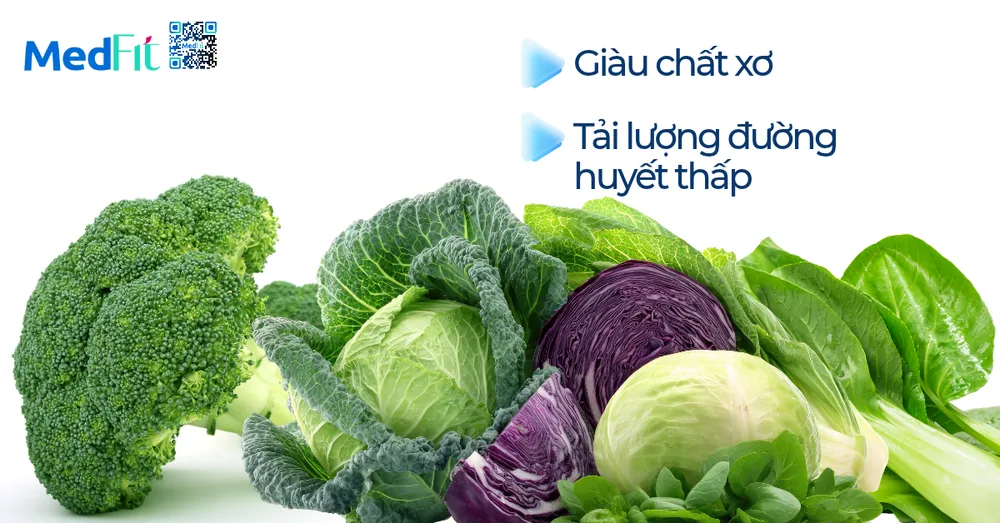
Broccoli and Brussels sprouts are rich in fiber with a low glycemic load, promoting lasting fullness and appetite control
Leafy Greens
Leafy greens such as bok choy, amaranth greens, lettuce, or katuk are great choices for a weight-management diet. Increasing consumption of this group is associated with less weight gain over time compared with not increasing intake. These vegetables are typically high in water and low in energy density.
Therefore, adding leafy greens increases meal volume without significantly increasing calorie intake. Leafy greens also provide fiber, which prolongs chewing, slows eating pace, and supports satiety signals before the body consumes excess calories.
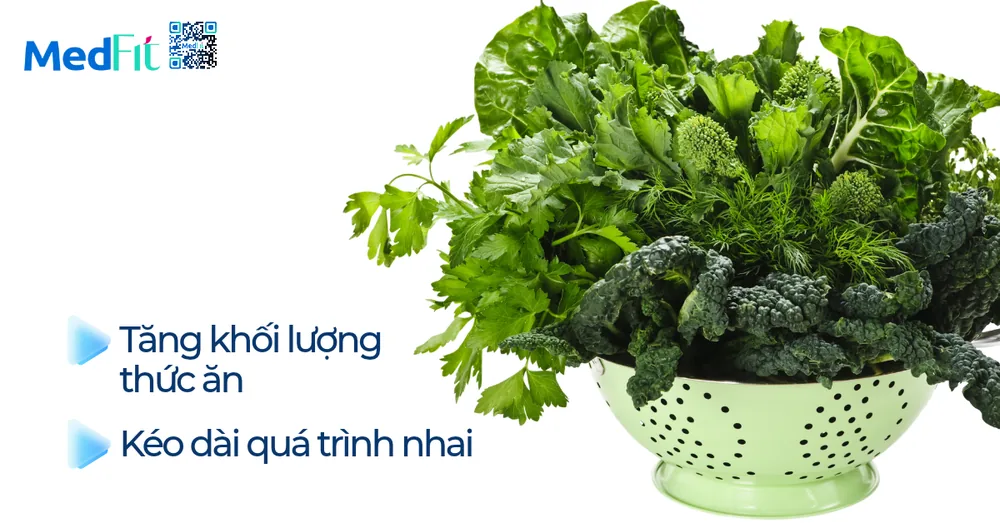
Leafy greens are high in water and fiber yet low in calories, keeping you fuller longer and supporting weight management
Bell Peppers
Bell peppers are a suitable addition to meals thanks to their low calorie content. With their natural sweetness and vibrant colors, bell peppers make dishes more appealing without needing heavy sauces or calorie-dense ingredients. Paired with lean proteins and other vegetables, they help build a balanced meal ideal for weight management, serving as a great substitute for oily side dishes, creamy sauces, or refined starches.

Bell peppers are low in calories with a natural sweetness, making meals more appealing and supporting weight management
Cucumbers
Cucumber is one of the easiest vegetables to add to your your diet every day because it requires virtually no elaborate preparation. Simply wash and eat it fresh, bring it to work, or enjoy it as a snack between main meals. High in water and low in calories, cucumbers help temporarily curb hunger, reducing the temptation to reach for sugary, fatty, or high-calorie snacks. This is a simple way to increase daily vegetable intake and maintain an appropriate diet for weight management.
Overall, cauliflower, broccoli, leafy greens, bell peppers, and cucumbers are solid choices to include regularly in a weight loss meal plan. Their weight-management benefits are clearer when they replace energy-dense dishes rather than simply being added on top of an already calorie-excessive diet.
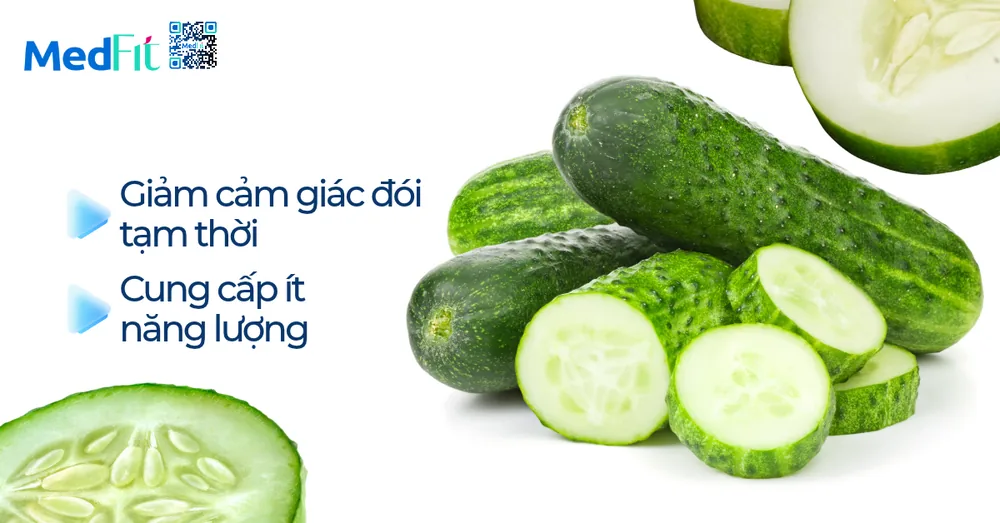
Cucumbers are high in water and low in calories, helping ease hunger and curb snacking
Benefits of Vegetables for Overall Health
Vegetables not only supply fiber, vitamins, and minerals, but also contain bioactive plant compounds such as polyphenols, carotenoids, and glucosinolates. These compounds possess antioxidant properties that help limit the impact of oxidative stress on cells.
As vegetable intake increases, levels of F2-isoprostanes—a marker of oxidative stress in the body—tend to decrease. At the same time, metabolic markers such as fasting blood glucose, insulin, and triglycerides improve, while HDL cholesterol increases. These changes support cardiovascular and metabolic health and may reduce the long-term risk of developing type 2 diabetes.

Benefits of Vegetables for Weight Management
Vegetables do not directly burn fat; instead, they support weight management through multiple mechanisms. First, most vegetables have a low energy density, meaning they provide fewer calories per gram of food. Thus, you can eat a larger volume to feel full without driving up total meal calories.
Additionally, the fiber in vegetables slows digestion and enhances satiety, helping reduce food intake at subsequent meals. Many vegetables also have a low glycemic load, promoting a slower and steadier rise in post-meal blood sugar and helping prevent early hunger. shows that increasing the proportion of dietary energy from vegetables is associated with better weight management outcomes in the first 3 months and higher post-meal satisfaction.
This suggests that increasing the proportion of vegetables in your diet can make it easier to sustain a calorie-reduced eating plan during weight management.

Low-calorie, fiber-rich vegetables promote lasting fullness and portion control, supporting effective weight loss
How to Prepare Vegetables for Effective Weight Loss
Vegetables should be prioritized in a weight-management diet, but preparation methods also significantly affect a dish’s total calories. To keep meals light, prioritize boiling, steaming, blanching, or quick stir-frying with a small amount of vegetable oil. Limit fried, battered, or heavily oiled vegetable dishes, as well as preparations with rich sauces, butter, or cheese that can substantially raise calorie counts.
Moreover, vegetables should not be eaten alone; pair them with lean protein sources, healthy fats, and an appropriate amount of carbohydrates to build a balanced meal that supports more effective weight management.
Furthermore, vegetables do not have to be eaten at the exact same time as rice. You can eat a portion of vegetables first at the start of a meal, then have the rest alongside rice and protein dishes. This order increases food volume in the stomach, slows eating speed, and triggers fullness earlier. Meanwhile, vegetable fiber helps slow carbohydrate digestion and absorption, supporting better intake control and post-meal blood sugar responses.
Common Mistakes That Prevent Weight Loss Despite Eating Plenty of Vegetables
Eating lots of vegetables does not automatically lead to weight loss if total daily calorie intake still exceeds your needs. A common mistake is focusing solely on adding more vegetables without adjusting portions of calorie-dense foods such as rice, noodles, bread, fried dishes, or sugary and high-fat items. In that case, total energy intake remains high even with plenty of vegetables on the plate.
Additionally, eating only vegetables while overly cutting protein-rich foods is not recommended, as it can unbalance the diet, reduce satiety, and impair muscle mass preservation during weight loss.
Finally, no vegetable should be viewed as a standalone weight-loss food. Effective weight management still depends on total calorie intake across the entire diet, balance among food groups, and regular physical exercise—not simply eating more vegetables.

Eating plenty of vegetables still will not lead to weight loss if calories are in excess, protein is lacking, and meals are unbalanced
How to Build a 7-Day Balanced Meal Plan with Green Vegetables
To sustain a long-term habit of eating vegetables, you do not need to eat the exact same vegetable every day. Rotating a variety of vegetables across 7 days keeps meals interesting while supplying diverse vitamins, minerals, and types of fiber. Below is a suggested 7-day meal plan combining green vegetables with other food groups to build a balanced, practical diet for weight management.
Day 1 – approx. 952 kcal
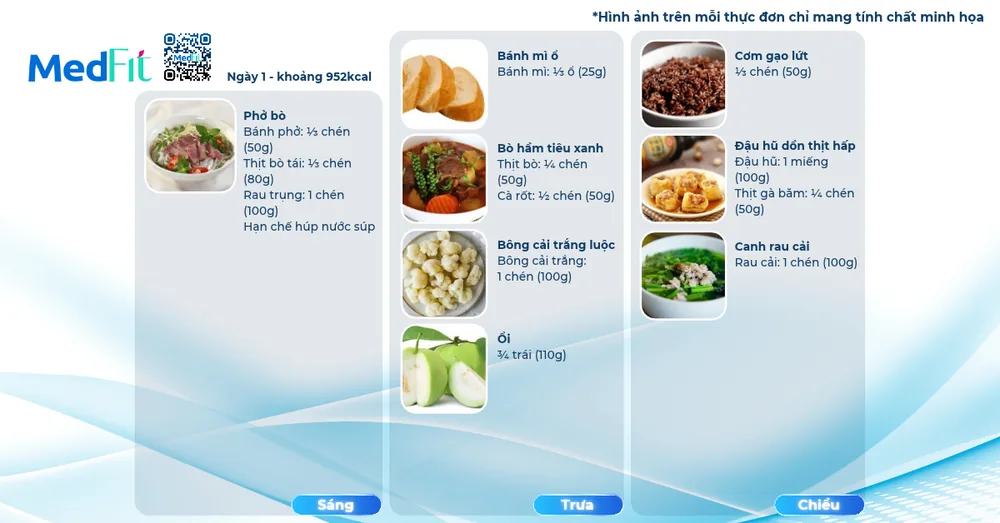
Day 1 meal plan combining green vegetables with other food groups – approx. 952 kcal
Day 2 – approx. 933 kcal
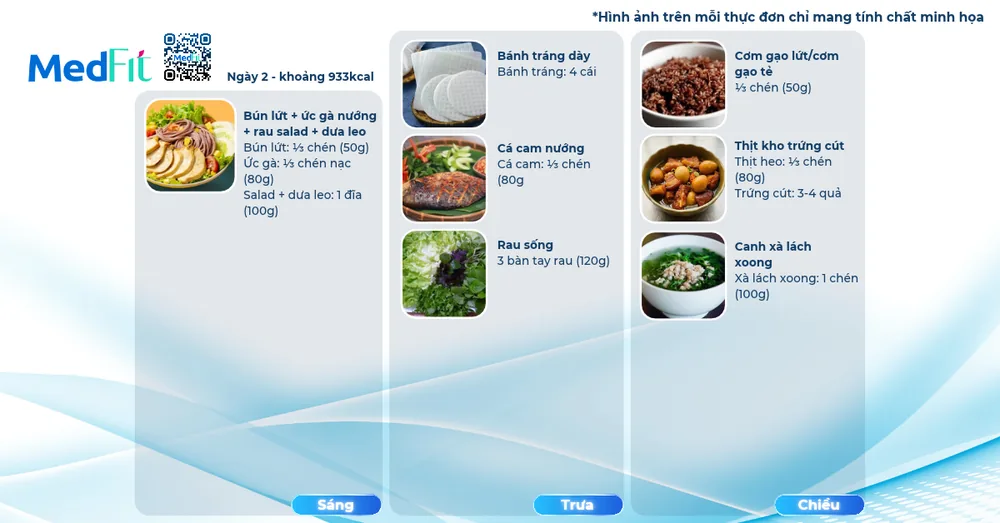
Day 2 meal plan combining green vegetables with other food groups – approx. 933 kcal
Day 3 – approx. 958 kcal
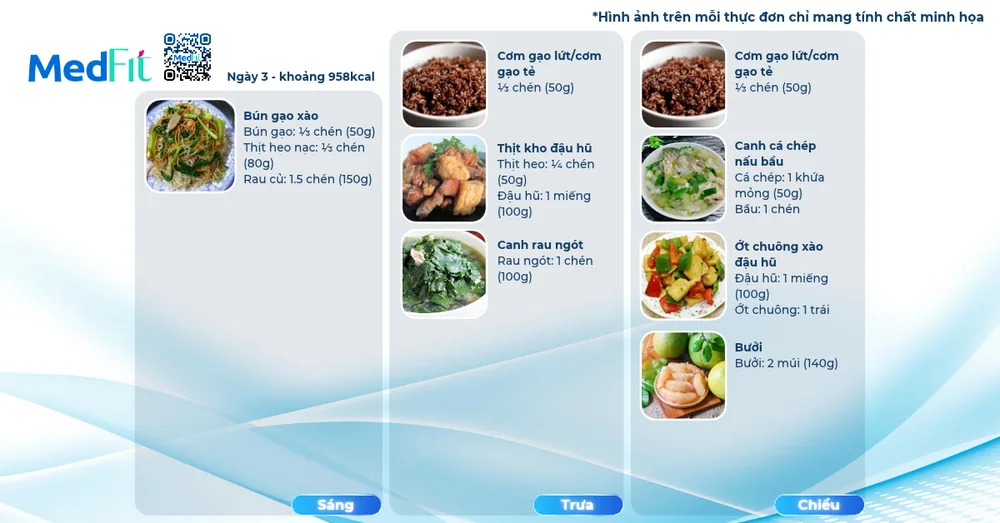
Day 3 meal plan combining green vegetables with other food groups – approx. 958 kcal
Day 4 – approx. 901 kcal
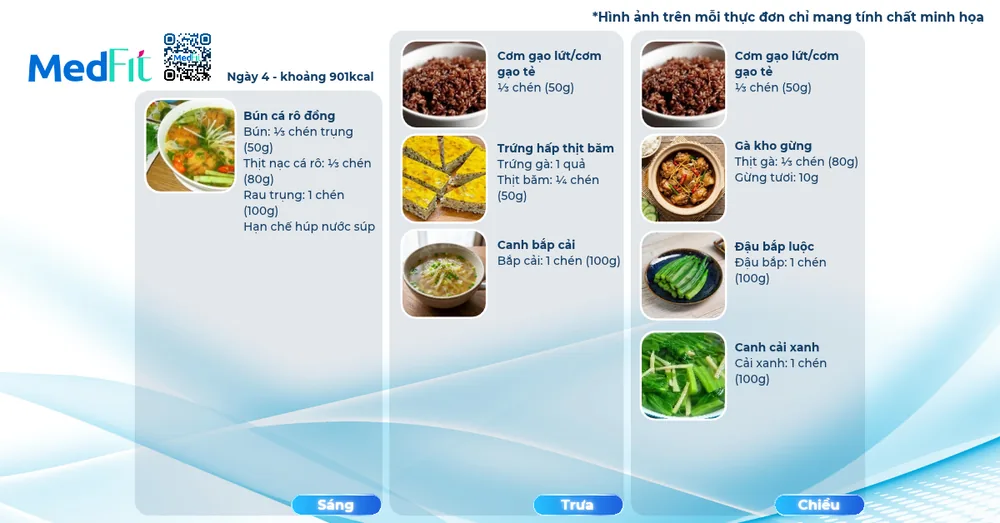
Day 4 meal plan combining green vegetables with other food groups – approx. 901 kcal
Day 5 – approx. 827 kcal
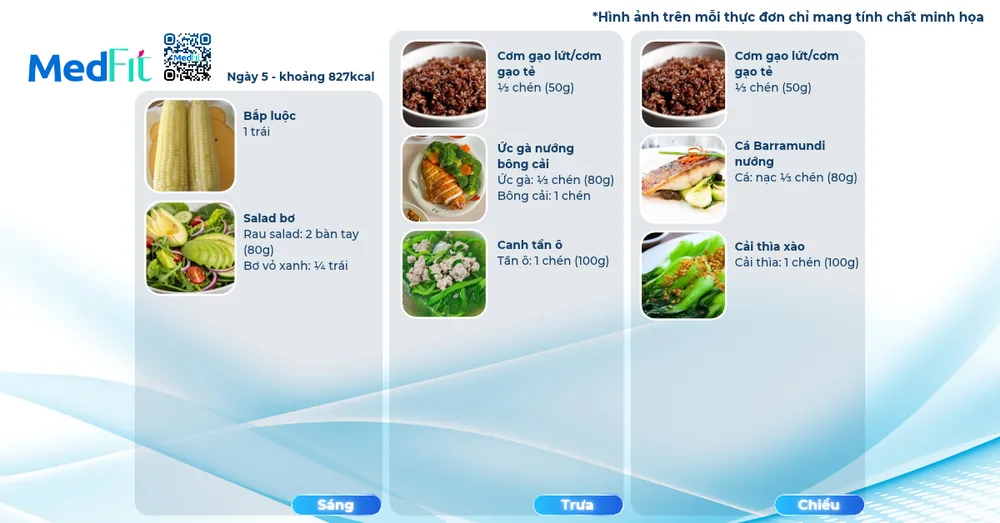
Day 5 meal plan combining green vegetables with other food groups – approx. 827 kcal
Day 6 – approx. 841 kcal
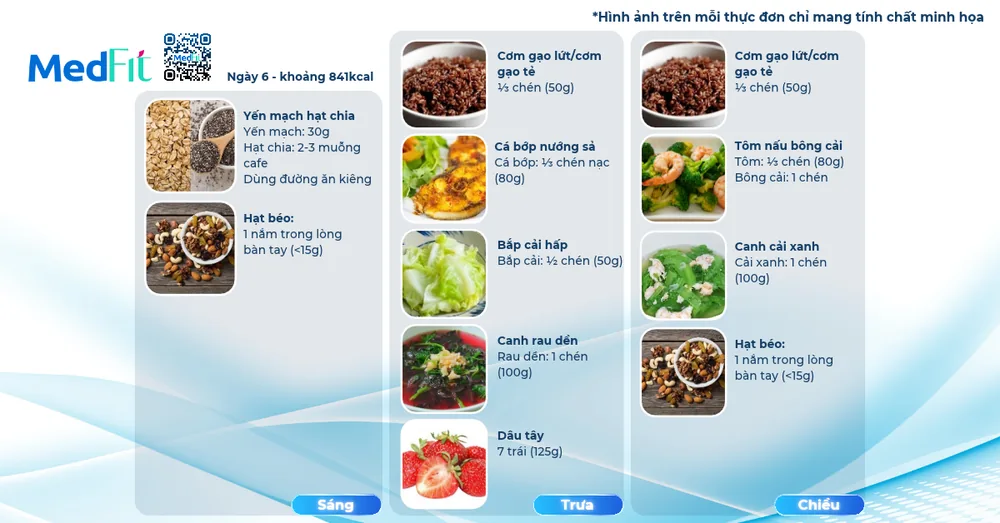
Day 6 meal plan combining green vegetables with other food groups – approx. 841 kcal
Day 7 – approx. 830 kcal
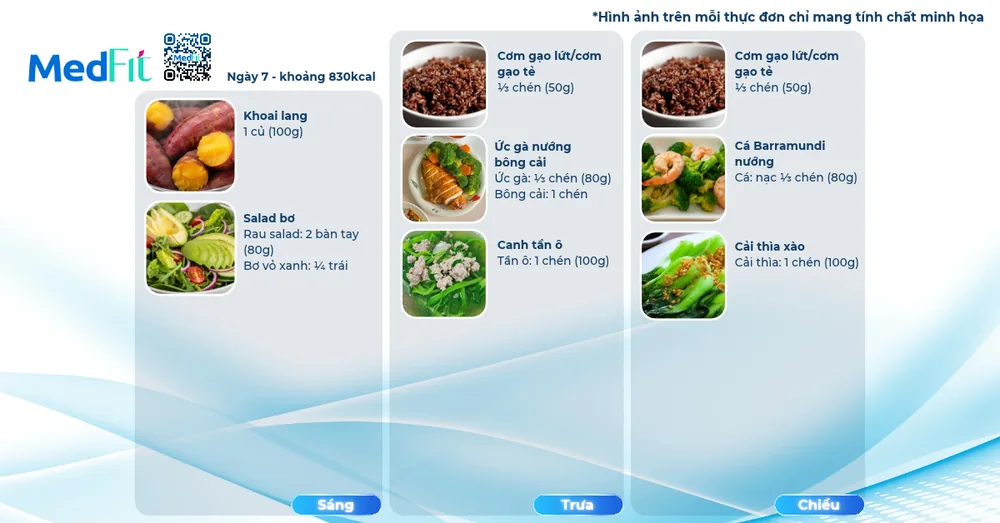
Day 7 meal plan combining green vegetables with other food groups – approx. 830 kcal

Consult a Doctor for Overweight and Obesity Evaluation and Treatment
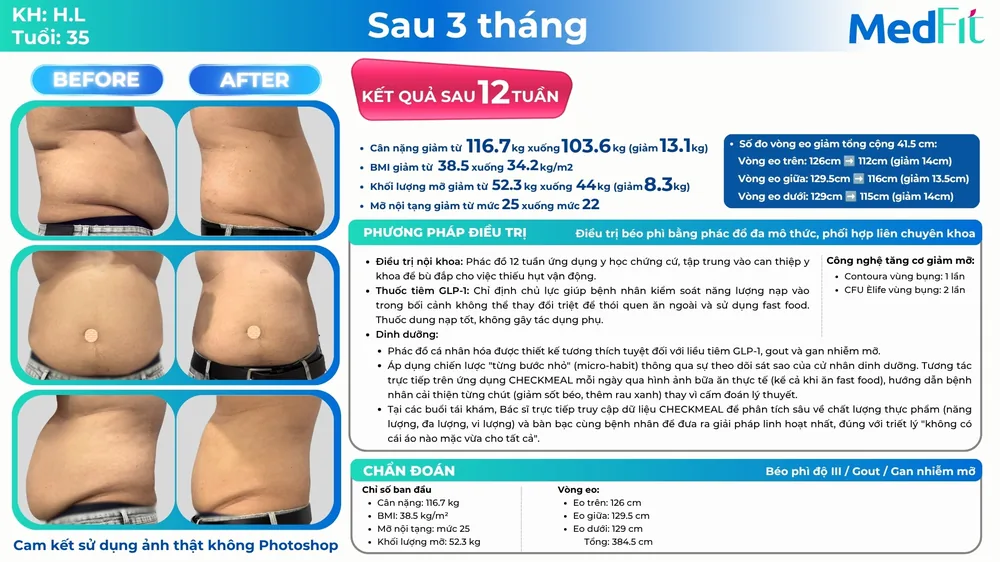
Weight-Loss Clinical Cases at MedFit Clinic
Green vegetables can support weight management thanks to their low energy density, high fiber, and rich micronutrients, yet no single vegetable directly promotes fat reduction or replaces the role of a balanced diet. Choosing a variety of vegetables, preparing them appropriately, and combining them with other food groups are what truly matter when building a weight-management menu. To establish an eating plan suited to your health condition and personal goals, consult a doctor and nutrition specialist before starting or changing your diet.
Wondering which foods to choose for weight management or unsure how to build a meal plan suited to your goals? The team of doctors and nutrition specialists at MedFit will evaluate your health status and eating habits to design a personalized nutrition plan, helping you manage your weight safely, scientifically, and sustainably over the long term.
References
1. Bertoia ML, Mukamal KJ, Cahill LE, Hou T, Ludwig DS, Mozaffarian D, et al. Changes in intake of fruits and vegetables and weight change in United States men and women followed for up to 24 years: analysis from three prospective cohort studies. PLoS Med. 2015;12(9):e1001878. doi:10.1371/journal.pmed.1001878
2. Tapsell LC, Batterham MJ, Thorne RL, O’Shea JE, Grafenauer SJ, Probst YC. Weight loss effects from vegetable intake: a 12-month randomised controlled trial. Eur J Clin Nutr. 2014;68(7):778–785. doi:10.1038/ejcn.2014.39