



Cooking oil is an essential component of daily nutrition, not only providing energy but also aiding the absorption of fat-soluble vitamins and participating in cell structure. Refined oil is produced from crude oil extracted from oil-rich seeds or fruits—such as soybean, sunflower, olive, or palm—and undergoes industrial processing steps. This process removes unwanted impurities to produce a clear oil with a neutral flavor and greater stability during cooking and storage.
However, in recent years, refined oil has become the center of many health debates. Some claim it is a “modern poison” linked to cancer, cardiovascular disease, and obesity. What is the truth behind this? In this article, MedFit will examine the scientific evidence to give readers a more comprehensive and objective view of refined oil.
Refined oil production process
Refined oil undergoes five main stages to achieve purity and thermal stability: extraction, degumming, neutralization, bleaching, and deodorization. Each stage plays a vital role in ensuring the quality of the finished oil and extending its shelf life [1,2].
Extraction
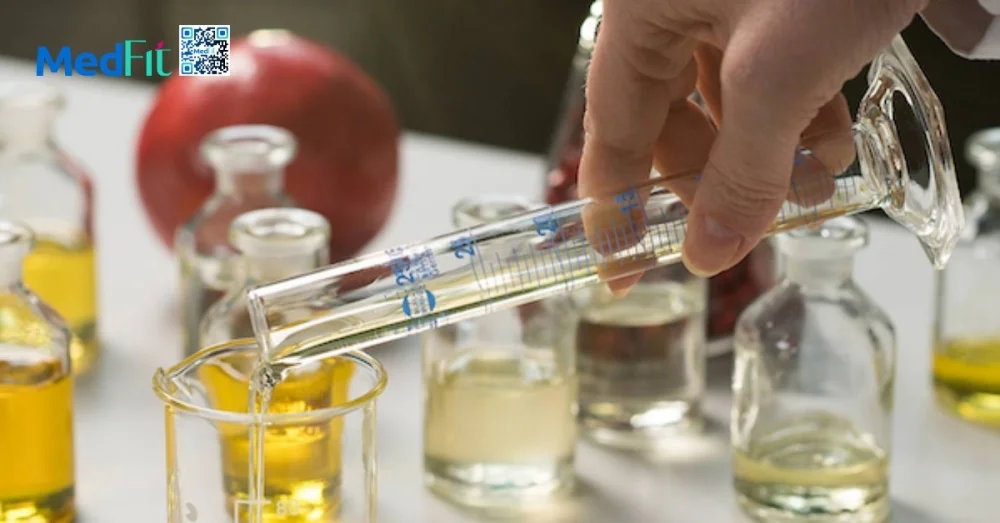
During the extraction stage, crude oil is obtained from oil-rich seeds or fruits using two main methods: mechanical pressing or organic solvent extraction. Mechanical pressing is typically used for extra virgin olive oil to preserve its natural flavor and nutrients. For most other vegetable oils (soybean, sunflower, peanut, etc.), hexane is the most commonly used solvent due to its strong oil-dissolving capacity, improving extraction yield compared to conventional pressing.
After extraction, more than 99% of the hexane is removed through vacuum distillation, leaving an extremely low residue, typically below 1 part per million [1,3]. This level is considered safe for human health and falls below the permissible limits set by reputable global regulatory agencies. Specifically, both the U.S. Food and Drug Administration (FDA) and the European Food Safety Authority (EFSA) confirm that hexane residue at this level poses no harm to consumers [3,5].
Degumming
Crude oil naturally contains high levels of phospholipids, especially lecithin, along with trace metals such as iron and copper. These compounds not only cause cloudiness and affect color, but also accelerate oxidation, reducing the oil’s shelf stability.
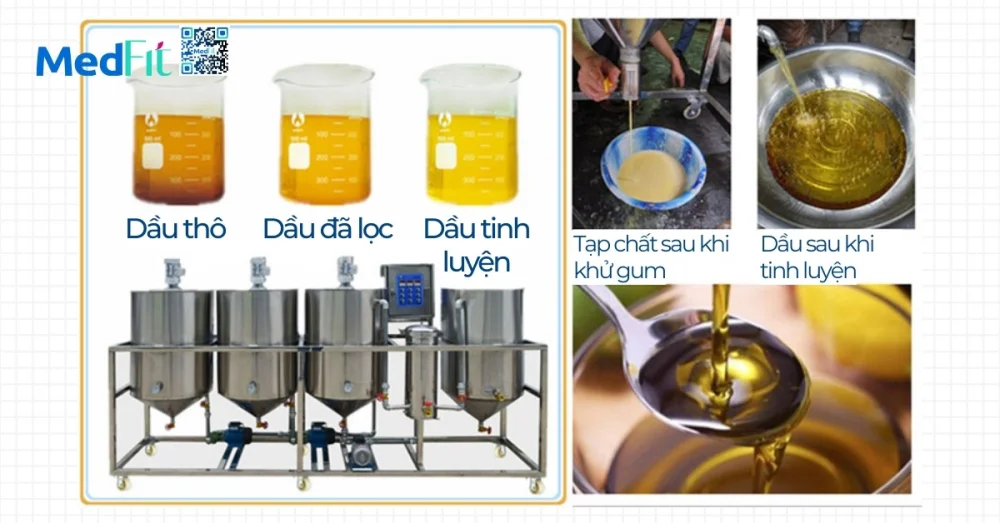
The degumming process is performed by adding water or a mild acid solution, combined with centrifugation, to separate phospholipids and polar impurities from the oil. Thanks to this treatment, the oil becomes clearer, more stable when heated, and less prone to scorching during cooking. At the same time, removing phospholipids helps extend shelf life and improves the sensory quality of the finished oil [1].
Neutralization
After degumming, the oil enters the neutralization stage to remove free fatty acids. These fatty acids cause sourness, degrade sensory quality, and shorten shelf life.
Neutralization is carried out by reacting the oil with an alkaline solution, most commonly sodium hydroxide. Upon contact, free fatty acids react to form soap, which is then separated from the oil through settling and repeated washing. As a result, the acidity of the oil drops significantly, and the product becomes more stable, lighter in color, and milder in taste. This is a crucial step in helping the finished oil meet safety, sensory, and shelf-life standards [1].

Bleaching
Next is the bleaching stage, which serves as a deeper purification step to improve both the chemical and sensory quality of the oil. Neutralized crude oil still contains natural pigments such as carotenoids and chlorophyll, along with oxidative compounds like peroxides and trace amounts of metals. These substances can cause the oil to discolor rapidly, turn rancid, and lose nutritional value.
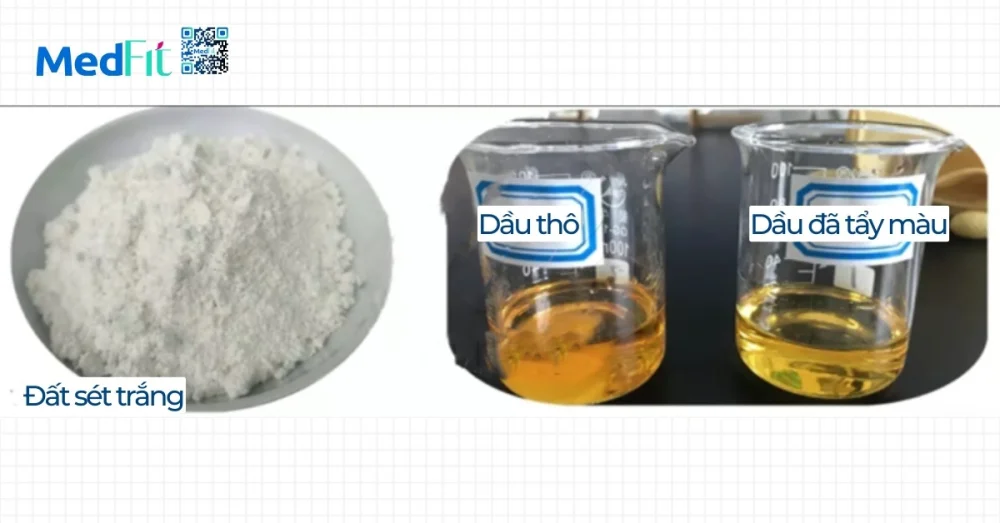
To address this, the oil is treated with activated clay or activated carbon, which have strong adsorption capacity and remove most of the aforementioned impurities. Consequently, the oil becomes lighter, clearer, and more chemically stable, while reducing the risk of off-flavors forming during storage and cooking. This is an important intermediate step that prepares the oil for subsequent deodorization and ensures high quality standards [1].
Deodorization
The final stage in the refining process is deodorization, which removes volatile compounds that cause unpleasant odors and enhances the oil’s thermal stability. This process is conducted by exposing the oil to steam under low pressure at high temperatures, typically 200–250°C. As a result, volatile aldehydes, ketones, and sulfur compounds are stripped away, giving the oil a neutral taste and a higher smoke point—making it well suited for high-heat cooking methods such as frying.
However, due to high temperatures, some natural vitamin E and polyphenols in the oil may be lost. At the same time, these conditions can also generate a very small amount of trans fat , typically under 0.5%—far lower than hydrogenated fat products such as margarine [6,8]. Despite certain limitations, the deodorization stage plays a pivotal role in producing clear, stable, and safe refined oil for daily use.

Is refined oil harmful?
There are conflicting opinions regarding whether refined oil is harmful to health. In reality, the health impact of refined oil depends on its fatty acid composition and how it is used in cooking.
The debate over omega-6 fats and inflammation
A frequent argument in debates about refined oil involves its omega-6 fatty acid content, particularly linoleic acid, which is abundant in sunflower and soybean oils. Omega-6 can be converted into arachidonic acid, a precursor for synthesizing eicosanoids—mediators involved in the body’s inflammatory response. When excessive omega-6 is consumed without balance from omega-3, the risk of triggering inflammatory pathways increases, potentially contributing to chronic diseases and metabolic disorders [10].
However, omega-6 is not the sole factor causing inflammation in the body. On the contrary, if the dietary ratio of omega-6 to omega-3 is maintained within a safe range of 4:1 to 10:1, omega-6 is not harmful and is actually beneficial to the body [11]. This ratio means that for every 4–10 parts of omega-6, 1 part of omega-3 is needed to maintain biological balance.
At this balanced ratio, omega-6 still plays an important role in maintaining cell membrane structure and supporting normal growth and development, while working alongside omega-3 to regulate immune responses and protect cardiovascular health.

Risks from aldehyde compounds during frying
Another concern regarding refined oil is the formation of aldehyde compounds when oil is heated above 180°C. These substances have the potential to cause DNA alterations and have been associated with cancer risk [7].
Among commonly used cooking oils, refined soybean oil has a smoke point of about 230°C, while refined sunflower oil has a smoke point of about 225°C. Both are relatively stable during high-heat cooking; however, prolonged frying or repeated reuse can still significantly increase the formation of toxic aldehydes.
To minimize this risk, choose oils with higher smoke points such as refined canola oil (240°C) or peanut oil (230°C), and avoid reusing oil more than twice.
Trans fat
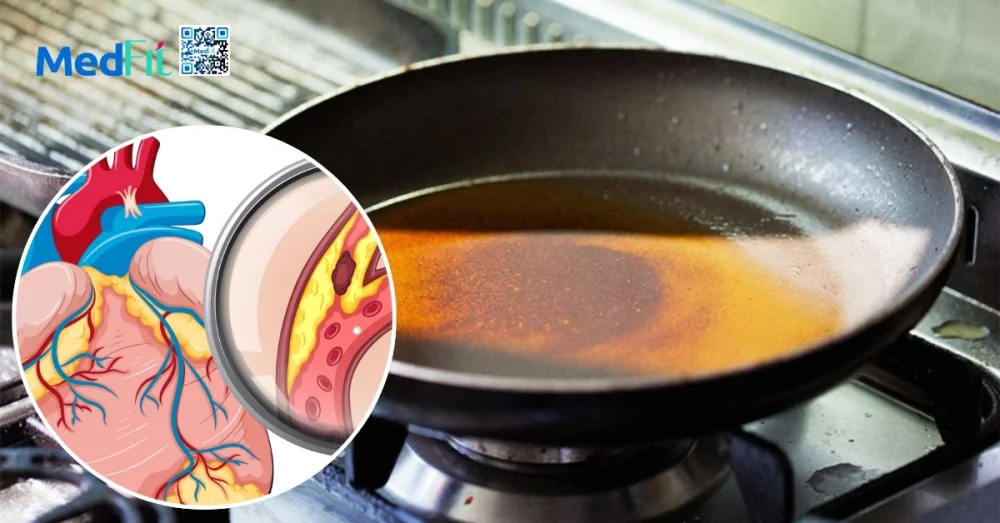
Under the effect of high temperatures during frying—especially when oil is reused multiple times—part of the unsaturated fatty acids in refined oil can become hydrogenated, forming trans fatty acids (trans fat). This type of fat has been shown to have a clear negative impact on cardiovascular health. Trans fat raises LDL (“bad”) cholesterol and lowers HDL (“good”) cholesterol, thereby promoting atherosclerotic plaque buildup in arterial walls and increasing the risk of coronary heart disease, stroke, and dyslipidemia [6].
Although most commercial refined oils today are produced using modern refining processes to minimize trans fat levels, prolonged high-temperature frying—especially in low-oxygen conditions and in the presence of catalytic metals—can still generate small amounts of trans fat in food [8].
Overall, the debates surrounding refined oil show that while risks exist, they can largely be controlled by choosing the right type of oil, using it properly, and maintaining a your diet that is balanced.
Recommendations for using cooking oil
The U.S. FDA has established strict regulations on solvent residue and heavy metal limits in refined oils to ensure products meet consumer safety standards [5]. Therefore, consumers should choose reputable cooking oil brands that fully comply with quality inspection standards to ensure safe use.
International health organizations, including the World Health Organization (WHO) and the American Heart Association (AHA), recommend selecting cooking oils based on the characteristics of each oil and the intended cooking method to ensure safety and health benefits.
CRefined vegetable oils such as canola, soybean, sunflower, and peanut oil have high smoke points, making them suitable for high-temperature cooking methods like frying because they are both stable and produce fewer toxic compounds when heated. Conversely, cold-pressed oils such as extra virgin olive oil should be used for salad dressings or low-heat cooking to preserve nutrients [7].
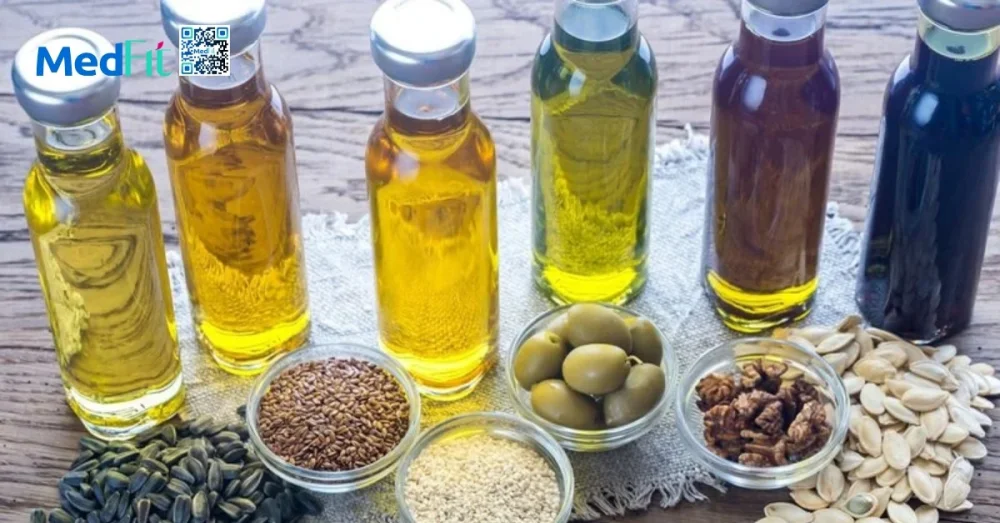
In your daily diet, choose oils rich in unsaturated fats to help lower LDL cholesterol and support cardiovascular health, while maintaining an appropriate balance between omega-6 and omega-3 [11,12]. Additionally, limit saturated fats from animal fats and palm oil, and completely avoid industrial trans fats due to the elevated risk of metabolic disease. Furthermore, avoid reusing oil multiple times to minimize the formation of harmful trans fats and aldehydes.
Thus, refined oil is not something to fear and can certainly be part of a healthy diet when the right type is chosen, used properly, and combined with balanced nutrition. Current scientific evidence does not show that refined oil causes cancer or cardiovascular disease when consumed in reasonable amounts—around 20–30 g/day, equivalent to 1.5–2 tablespoons or 4–6 teaspoons.

Refined oil is not the hazard often portrayed by misinformation. Modern refining processes remove most impurities, making the oil safe and stable for high-temperature use. Although some micronutrients may be reduced during processing, this change has no significant impact when paired with a varied and balanced diet [7].
A practical approach is to combine different types of oils: use high-smoke-point refined oils for frying, cold-pressed oils such as extra virgin olive oil for salad dressings or low-heat cooking, and prioritize low-oil cooking methods such as steaming, boiling, or quick pan-searing.
Extreme claims such as “completely avoid vegetable oils” overlook the bigger picture of nutrition. Rather than worrying, it is essential to understand the properties of each oil and use them properly as part of a balanced diet. This is the truly scientific and sustainable approach to protecting your health.
At MedFit, we understand that every individual is unique and there is no one-size-fits-all solution. Our team of nutrition and exercise specialists along with medical doctors will partner with you to analyze the true root causes of weight loss resistance, thereby building a personalized plan tailored to your body and lifestyle.
We not only help you understand your body, but also empower you to manage it proactively through structured consultation, coaching, and close monitoring programs. Book an in-depth consultation with MedFit today to begin your journey toward reclaiming your physique and sustainable health!
References
- Gharby S. Refining Vegetable Oils: Chemical and Physical Refining. ScientificWorldJournal. 2022 Jan 11;2022:6627013. doi: 10.1155/2022/6627013
- American Oil Chemists’ Society (AOCS). Oil Refining. [online] Available at: https://www.aocs.org/resource/oil-refining/ [Accessed 17 January 2026]
- FEDIOL AISBL (The EU Vegetable Oil and Protein Meal Industry). FEDIOL Q&A on hexane (Updated 29 September 2025). [online] Available at: https://www.fediol.eu/data/24SAF453%20FEDIOL%20QA%20on%20hexane%20revapr2025.pdf [Accessed 17 January 2026]
- Hunt A. Seed Oils, Industrial Processing, Hexane and AGEs: Should You Be Worried?. [online] Available at: https://www.thewholehealthpractice.com/post/seed-oils-industrial-processing-hexane-and-ages-should-you-be-worried [Accessed 17 January 2026]
- BerryBeautiful. How refining impacts carrier oils quality and nutrients. [online] Available at: https://berrybeautiful.us/blogs/posts/how-refining-impacts-carrier-oils-quality-and-nutrients?srsltid=AfmBOoqkyCyjwaqWM-xZ7oHa7xMyEQORlXSDQaZwyaJ55T_FxmxsHUFS [Accessed 17 January 2026]
- European Food Information Council (EUFIC). Does the processing of seed oils pose a health risk?. [online] Available at: https://www.eufic.org/en/misinformation/article/does-the-processing-of-seed-oils-pose-a-health-risk [Accessed 17 January 2026]
- Tsuzuki W, Matsuoka A, Ushida K. Formation of trans fatty acids in edible oils during the frying and heating process. Food Chem. 2010 Dec 15;123(4):976-982. doi:10.1016/j.foodchem.2010.05.048
- Song J, Park J, Jung J, Lee C, Gim SY, Ka H, Yi B, Kim MJ, Kim CI, Lee J. Analysis of Trans Fat in Edible Oils with Cooking Process. Toxicol Res. 2015 Sep;31(3):307-12. doi: 10.5487/TR.2015.31.3.307
- Cleveland Clinic. Seed Oils: Are They Actually Toxic?. [online] Available at: https://health.clevelandclinic.org/seed-oils-are-they-actually-toxic [Accessed 17 January 2026]
- American Heart Association. There’s no reason to avoid seed oils and plenty of reasons to eat them. [online] Available at: https://www.heart.org/en/news/2024/08/20/theres-no-reason-to-avoid-seed-oils-and-plenty-of-reasons-to-eat-them [Accessed 17 January 2026]