
Atrophic acne scar treatment: restoring smooth, refined skin
Book your appointment at RejuvLab today for a complimentary consultation!
Atrophic acne scar treatment: restoring smooth, refined skin
Book your appointment at RejuvLab today for a complimentary consultation!
What are atrophic scars?
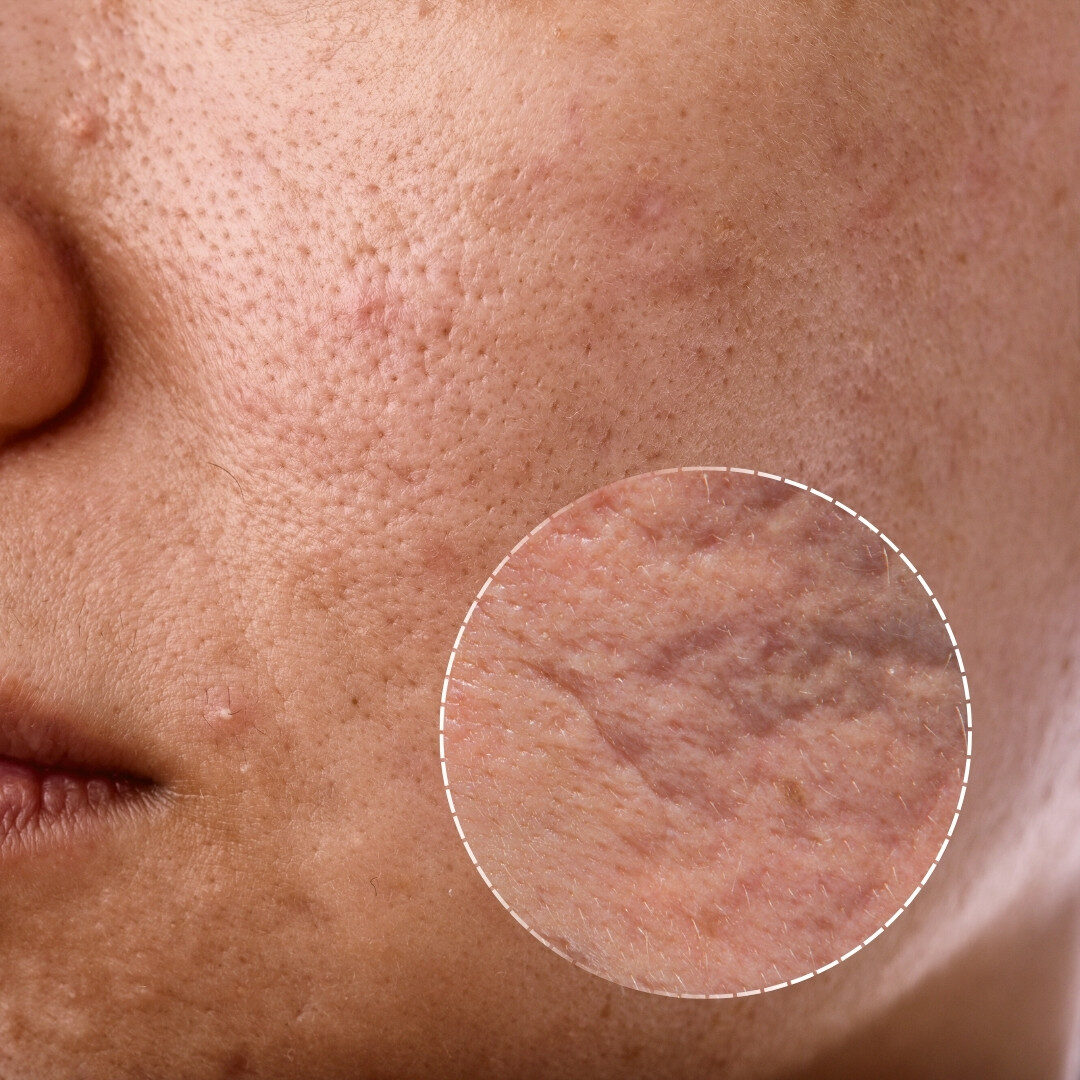
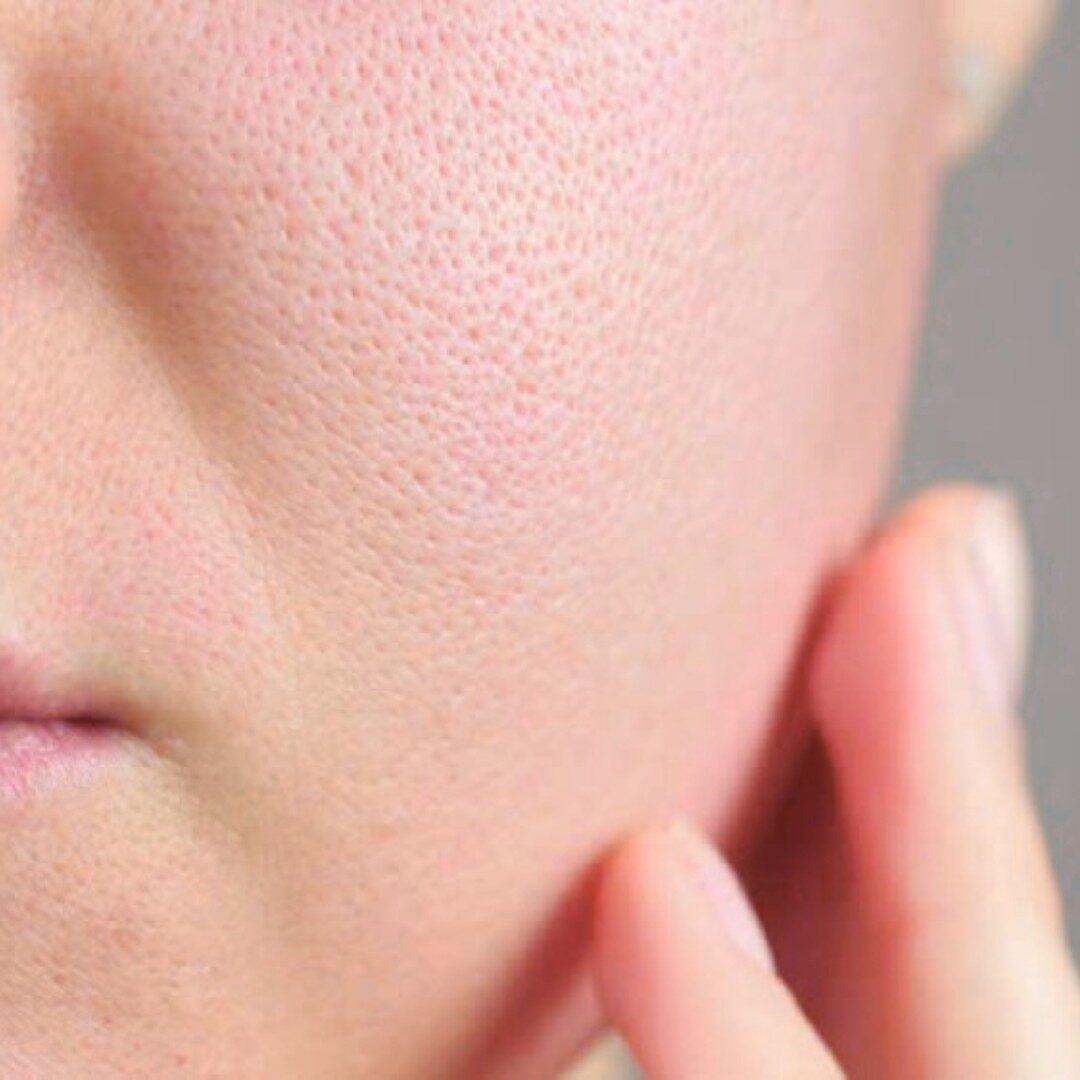
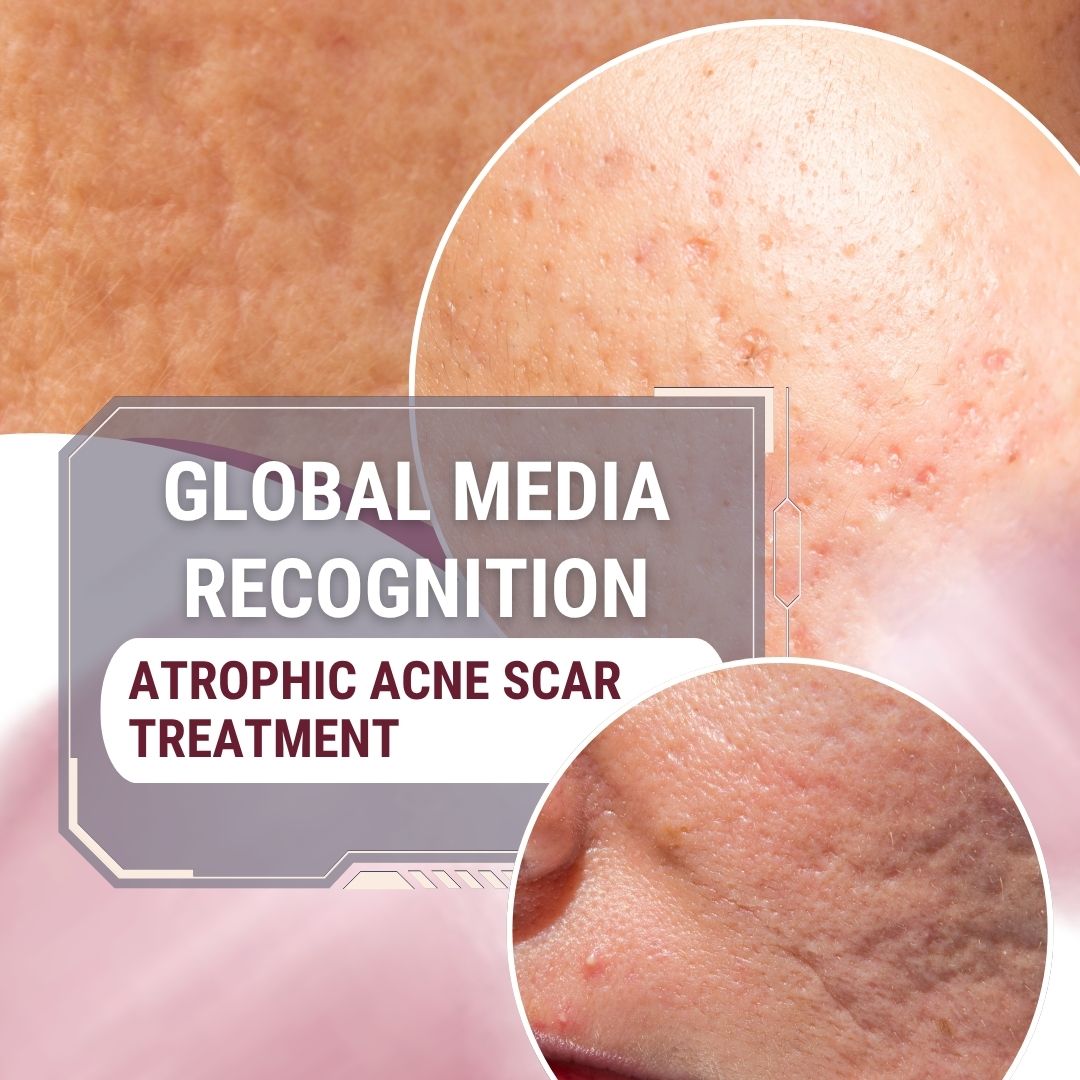
Icepick scars: deep, narrow, pinpoint depressions extending into the dermis.
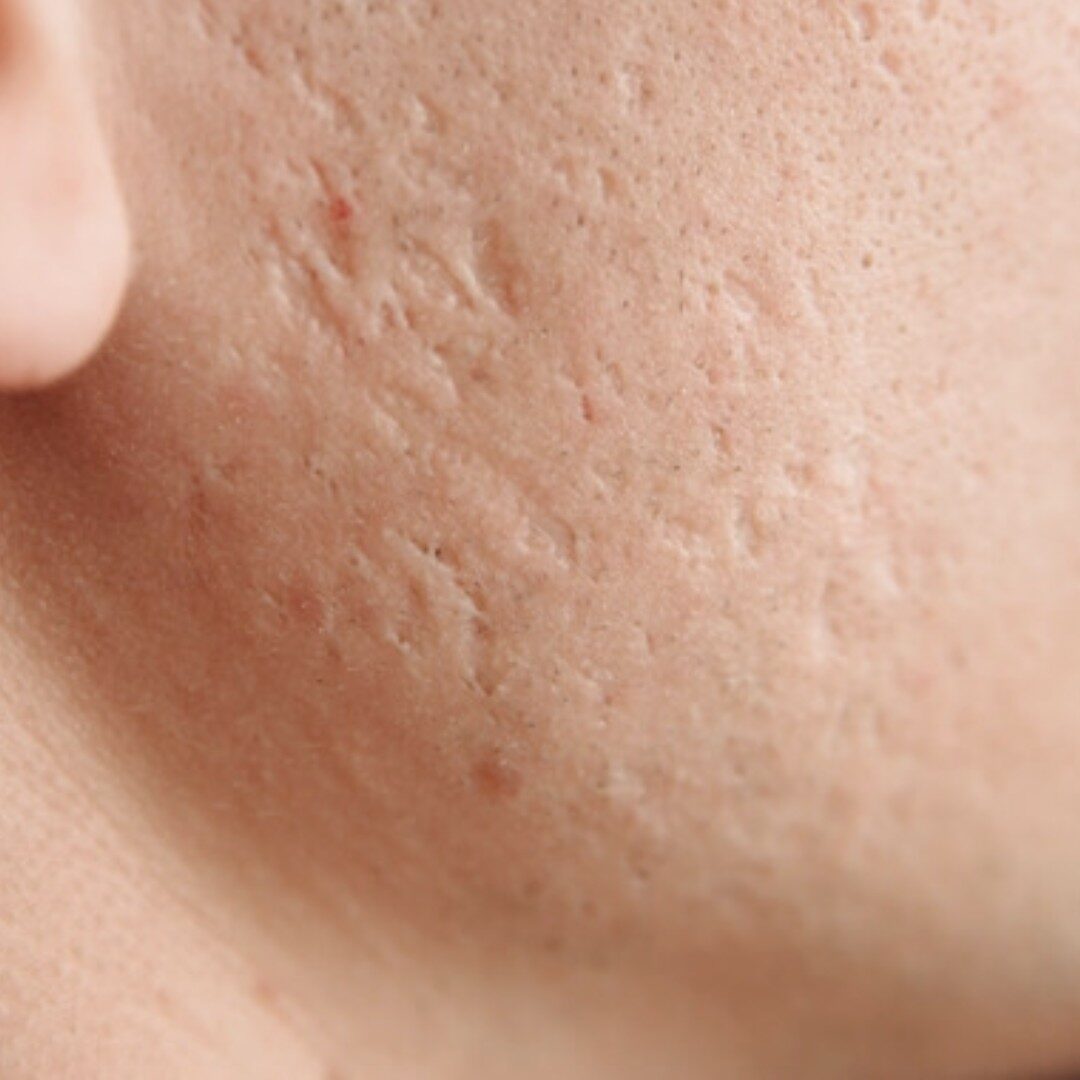
Boxcar scars: broad, sharp-edged depressions with vertical side walls.
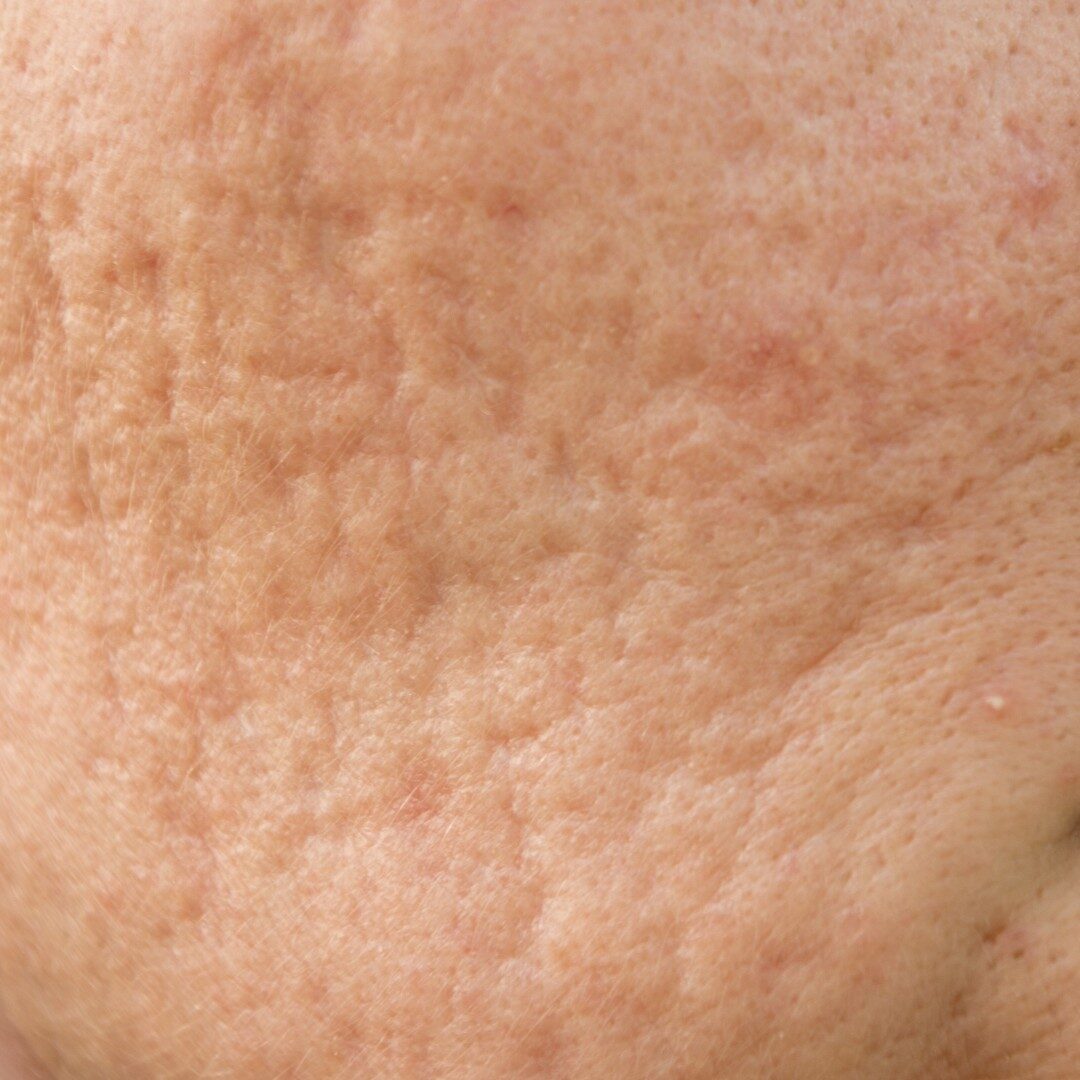
Rolling scars: wide, shallow depressions caused by dermal tethering, creating a wave-like texture.
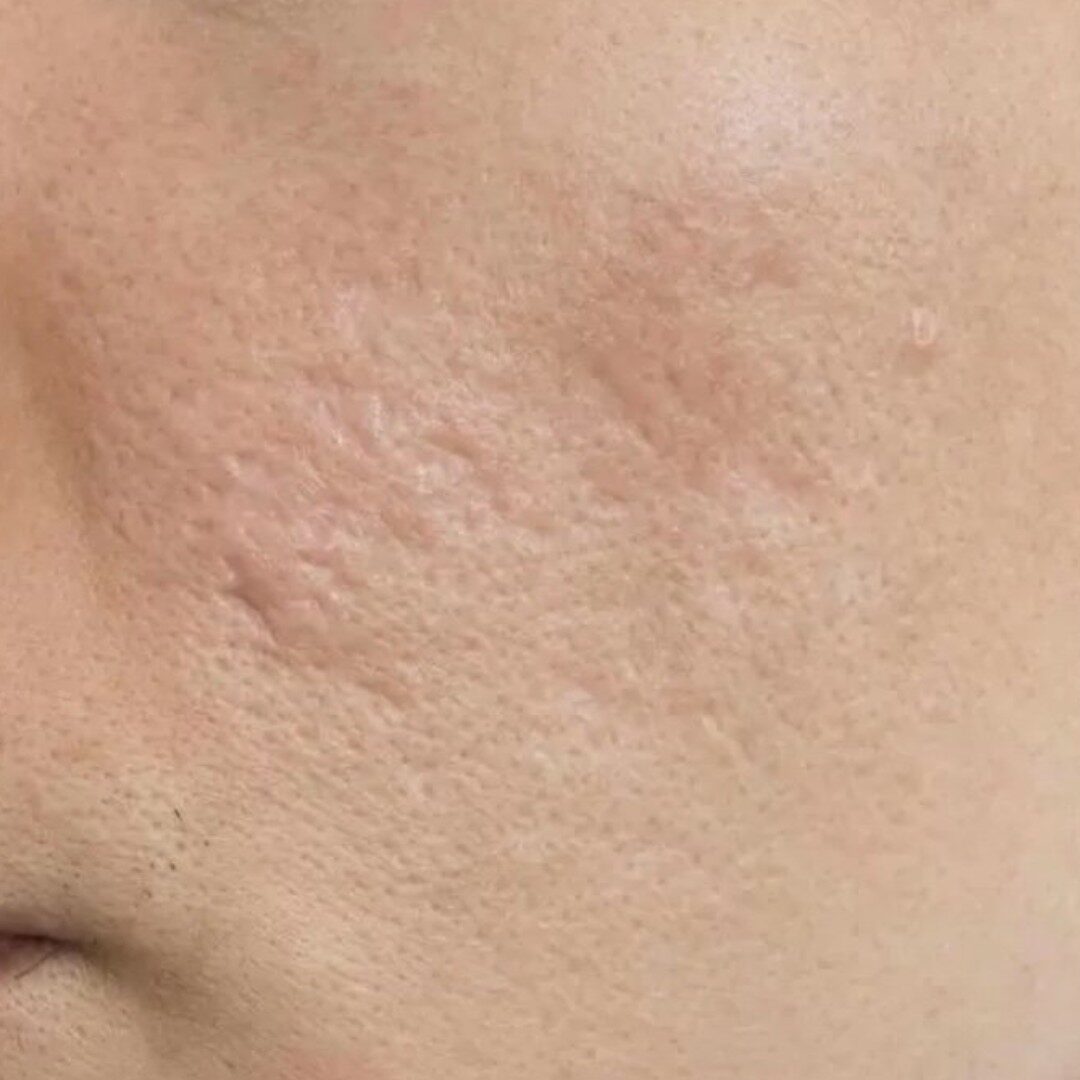
Mixed scars: a combination of multiple scar types on the same anatomical area.

At RejuvLab by MedFit, our scar management strategy goes beyond temporary surface-level filling. We focus on remodeling scar tissue at its root, inducing neocollagenesis and restoring overall skin quality. By combining multiple advanced clinical modalities, our personalized protocols deliver smoother, sustainably flat skin contours.
Advanced scar treatment modalities at RejuvLab?
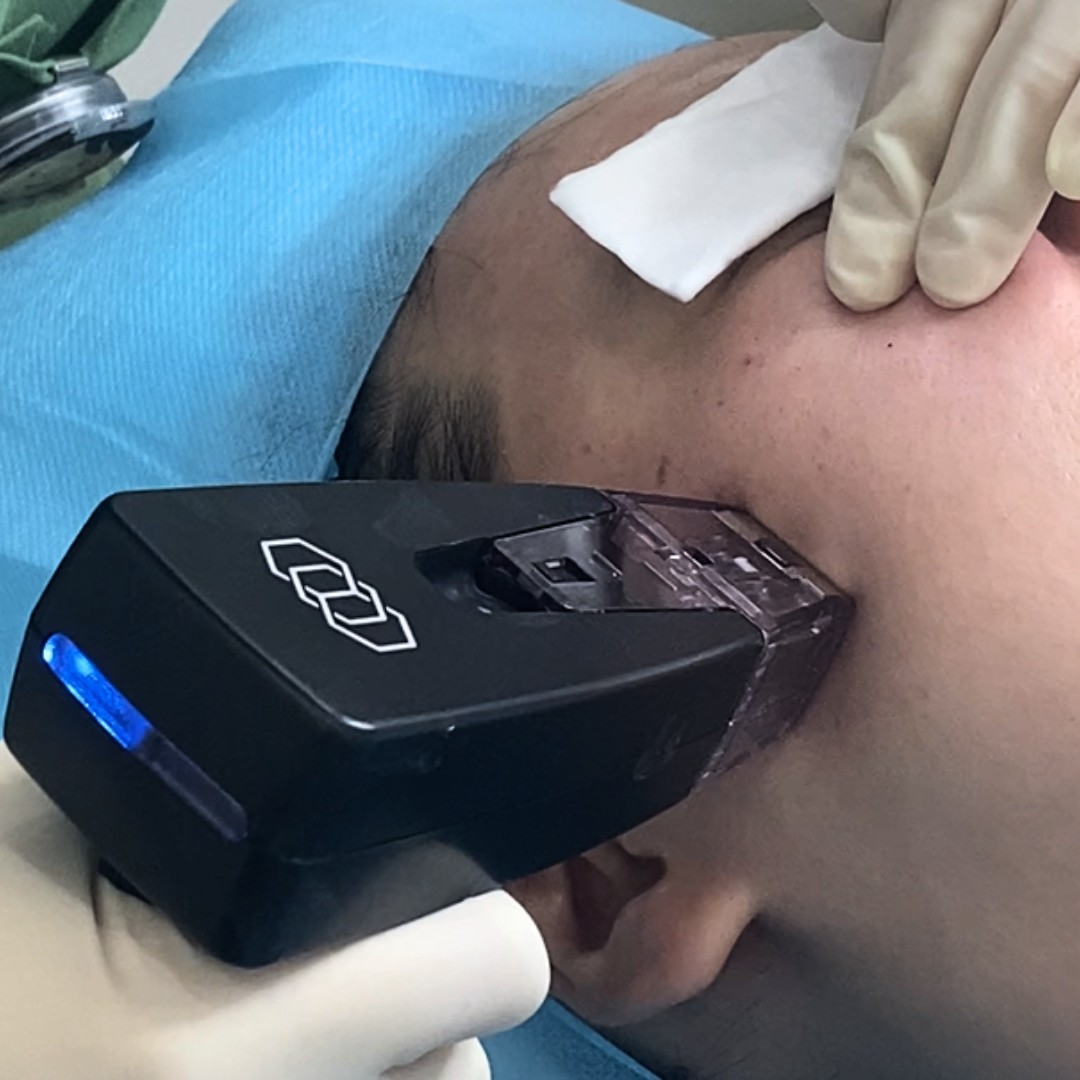
Morpheus8 combines minimally invasive microneedling with fractional Radiofrequency (RF) energy. Delivering bipolar RF energy at depths ranging from 0.5mm to 4mm, with an additional 1mm thermal zone, Morpheus8 provides triple action through coagulation, connective tissue contraction and sub-necrotic bulk heating. This process fractionally ablates targeted tissue to accelerate cellular turnover and stimulate deep, multi-layered collagen remodeling. US FDA-cleared, safe and highly efficient, Morpheus8 integrates seamlessly with skin rejuvenation injectables.
- Fills new and long-standing atrophic scars, with exceptional efficacy for rolling and boxcar variants.
- Refines enlarged pores, promoting a smoother and more even skin tone.
- Delivers robust structural remodeling, aiding skin recovery and reducing recurrent acne flare-ups.
- Frequently combined with mesotherapy to maximize clinical outcomes.
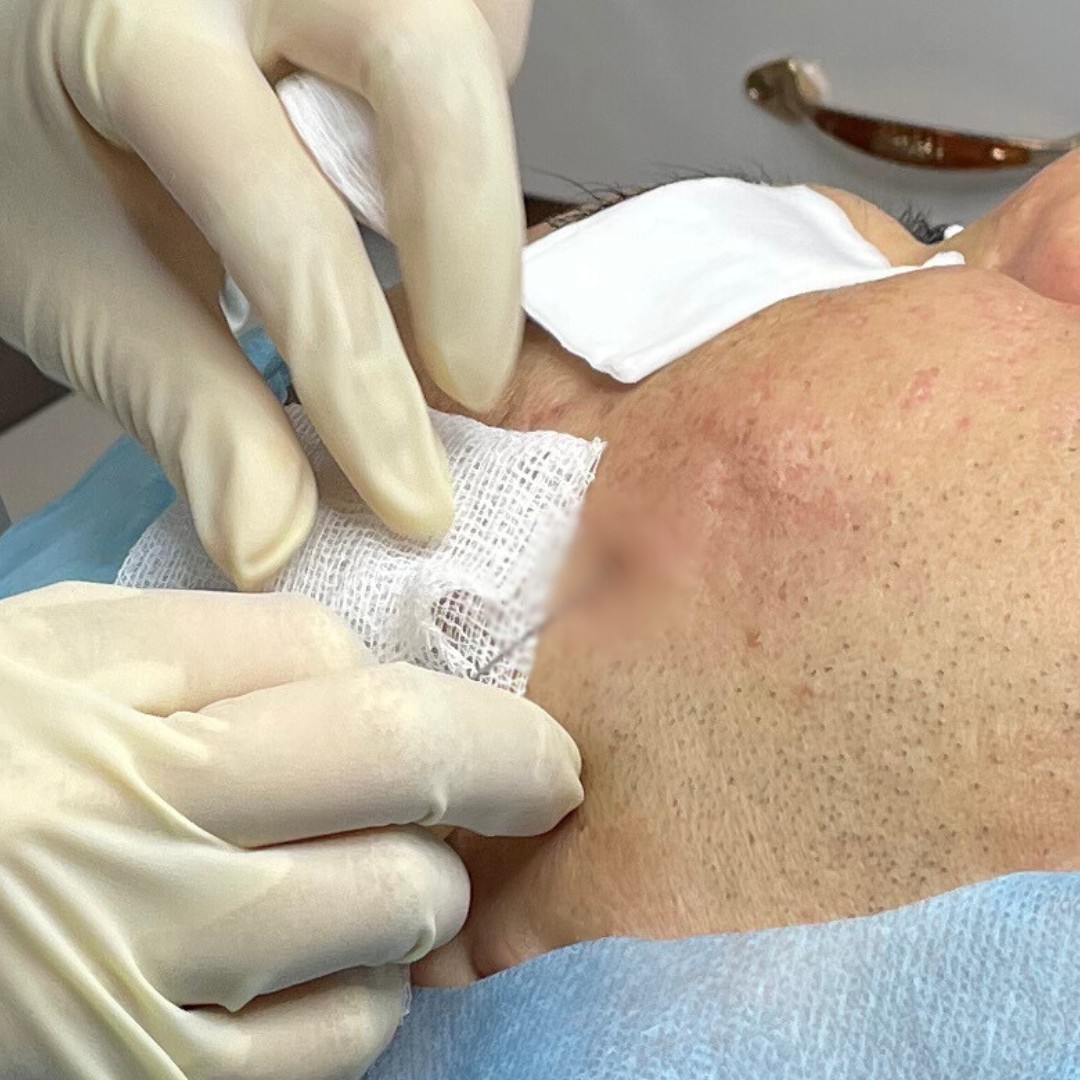
Subcision (scar tether releasing)
Subcision utilizes specialized surgical needles to sever fibrotic bands beneath the scar bed, liberating the tethering tissue pulling the skin downward. Once released, the sub-dermal space fills with blood pooling and fresh granulation tissue, elevating the scar floor to flatten the skin surface.
- Highly effective for all scar types, particularly rolling scars and mild-to-moderate boxcar scars.
- Frequently combined with Morpheus8, microneedling or mesotherapy injectables for optimal elevation.
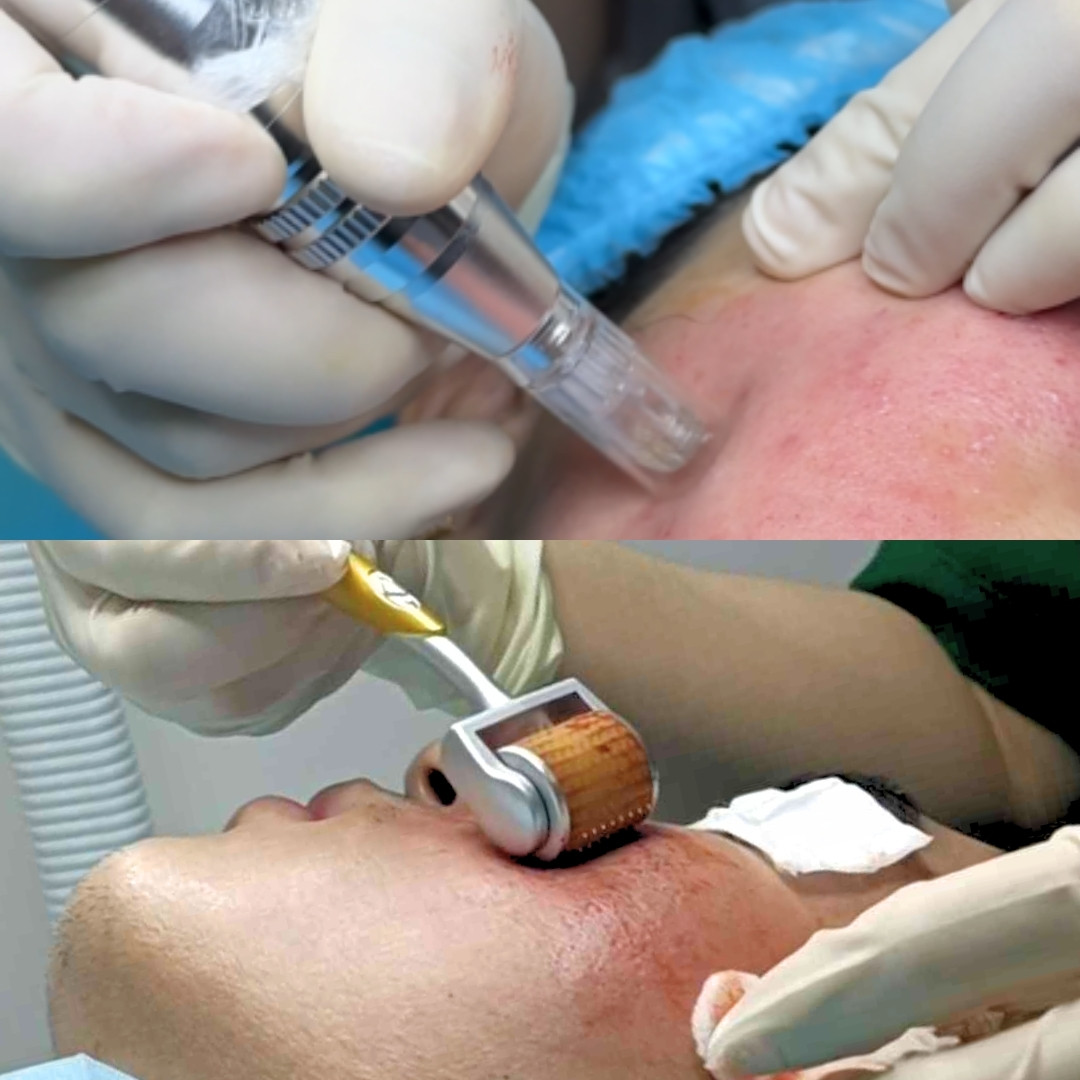
Microneedling & automated fractional needling
Microneedling creates micro-injuries in the epidermis and dermis, triggering the body’s natural wound-healing cascade to synthesize fresh collagen and elastin. Automated fractional needling utilizes advanced motorized pens instead of manual rollers, ensuring vertical, uniform needle penetration that minimizes unnecessary tissue trauma. The Mesoestetic m.pen[pro] features medical-grade needles with customizable speeds and depths tailored to specific anatomical areas and skin concerns.
- Ideal for mild, superficial or newly formed atrophic scars.
- Improves overall surface texture and promotes skin rejuvenation.
- Optimized when combined with topical active formulations or mesotherapy injectables.
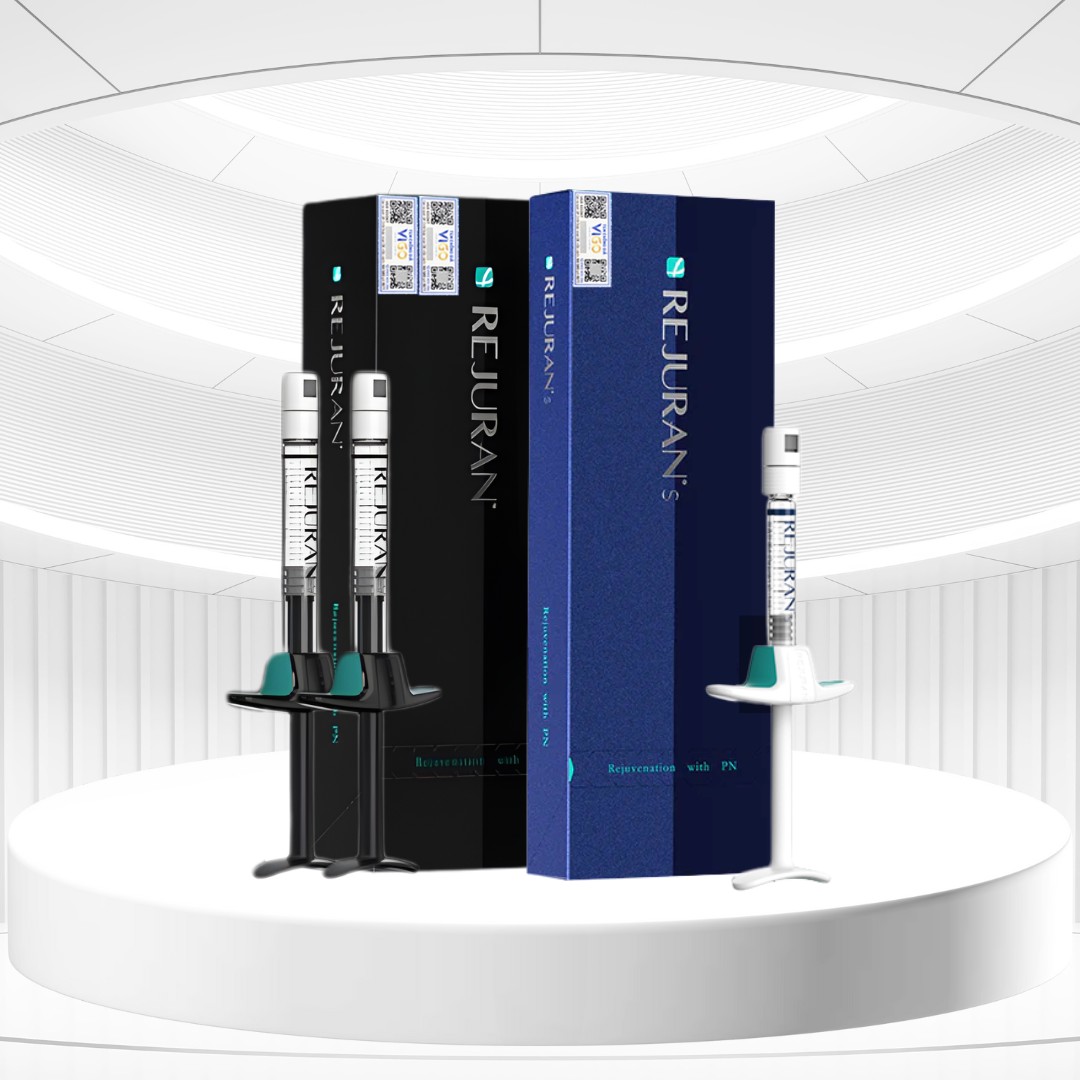
Polynucleotide (Rejuran Healer, Rejuran S)
Rejuran features bio-rejuvenating polynucleotides (PN 20mg/ml) extracted from wild salmon DNA, clinically proven to repair and restructure damaged skin.
- Rejuran S: formulated with higher viscosity specifically for scar depressions, boosting localized tissue regeneration and dermal thickness at the scar base.
- Rejuran Healer: calms inflammation, reduces erythema, restores the skin barrier and enhances elastic tissue regeneration.
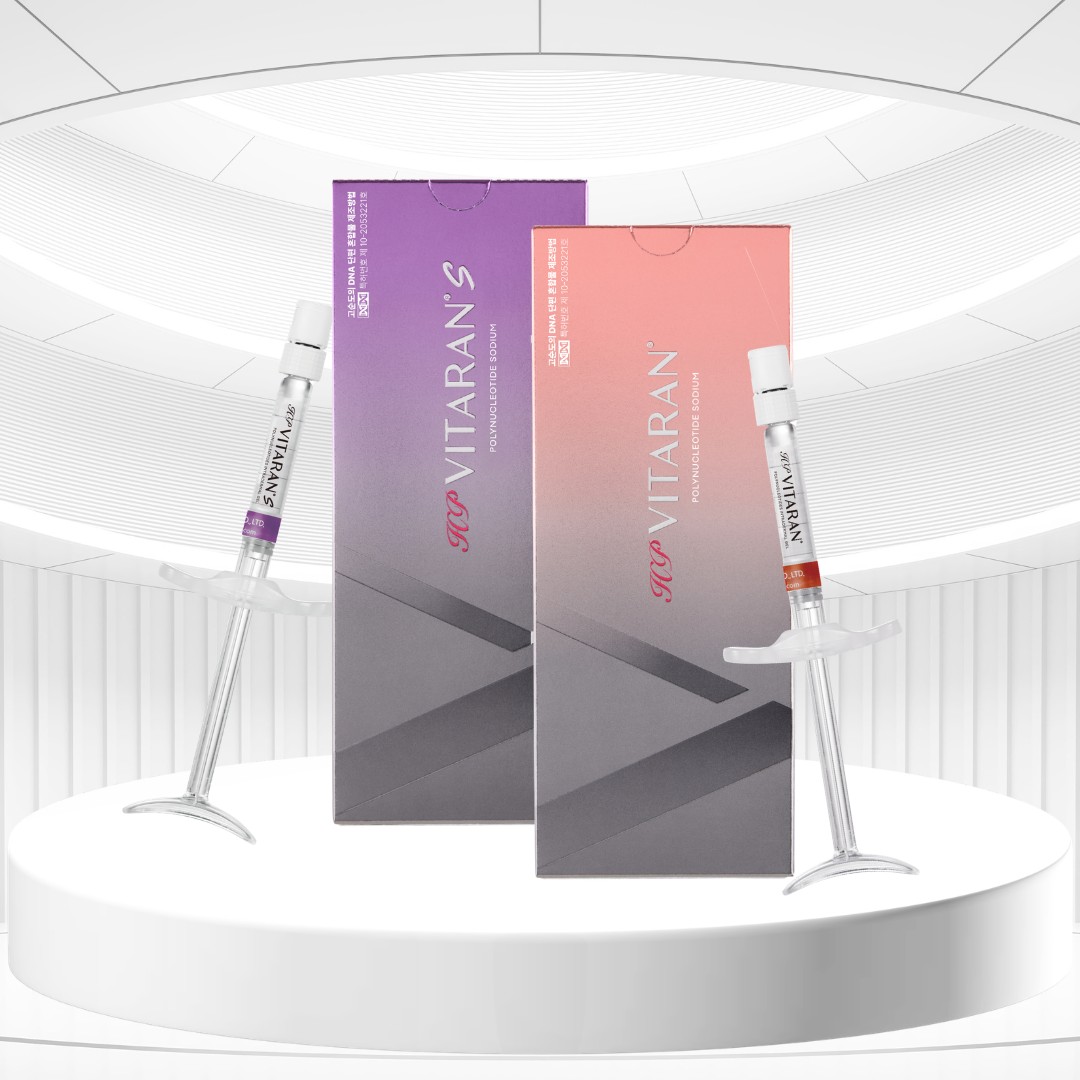
Polynucleotide (Vitaran HP, Vitaran S)
Vitaran utilizes highly purified salmon DNA-derived polynucleotides (PN 20mg/ml) to accelerate tissue repair and improve structural integrity by triggering endogenous cellular repair pathways.
- Vitaran S: high-viscosity formulation engineered for scar beds, rebuilding tissue volume and restoring damaged dermal matrix.
- Vitaran HP: reduces inflammation, enhances microcirculation, reinforces compromised skin barriers and restores elasticity in thin, aging or fragile tissue.
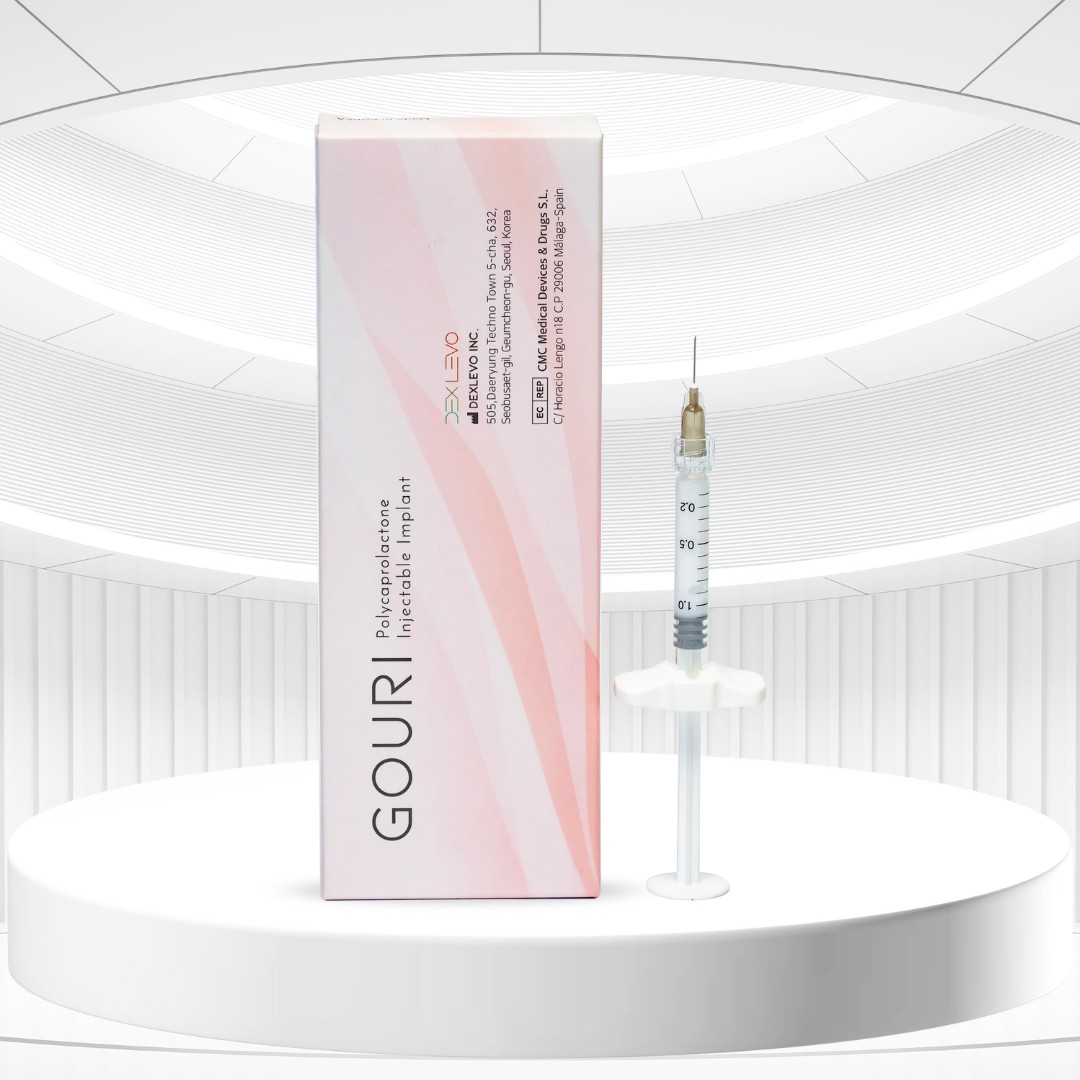
Gouri is a fully solubilized liquid Polycaprolactone (PCL 21%) formulation free from microparticles. Upon injection, it disperses evenly throughout tissue layers to stimulate fibroblast-mediated neocollagenesis, matrix restructuring and long-term scar elevation without granuloma formation.
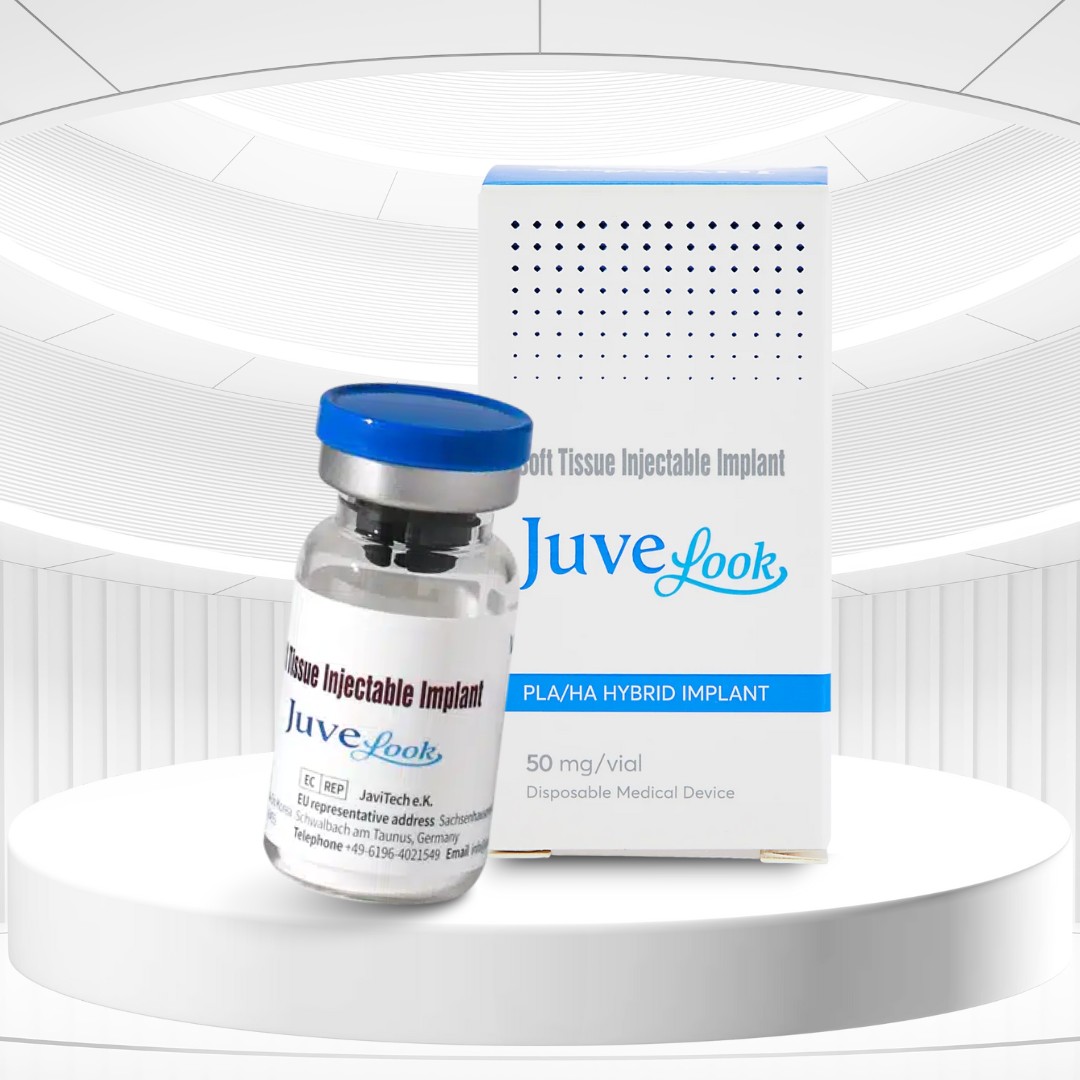
Juvelook blends Poly-D,L-lactic Acid (PDLLA 42.5mg) with Hyaluronic Acid (HA 7.5mg), delivering dual-action immediate hydration alongside progressive collagen stimulation. Micro-particles of PDLLA activate sustained dermal remodeling, making it exceptionally effective for scar revision and rejuvenation.
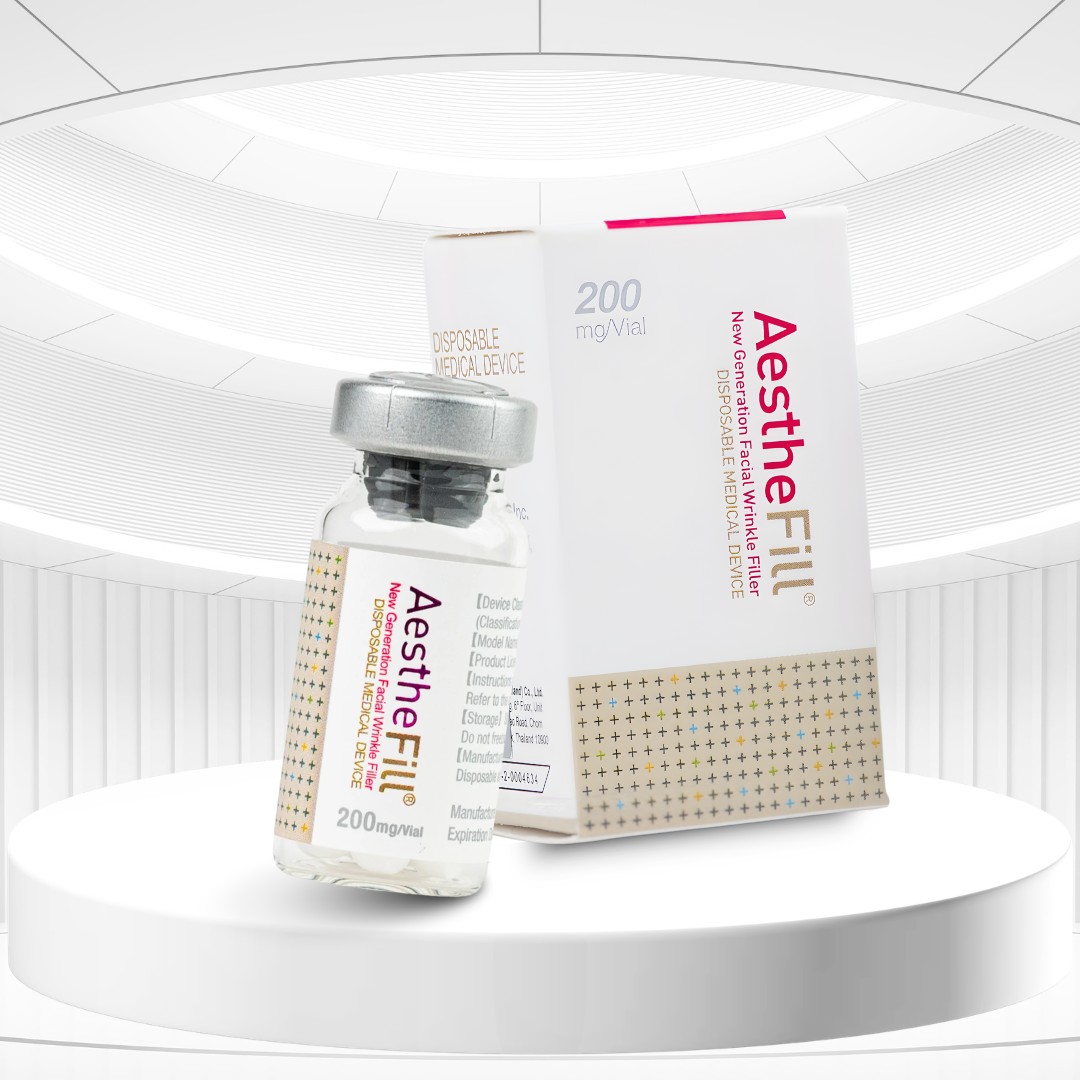
- AestheFill contains Poly-D,L-lactic Acid (PDLLA 200mg) combined with CMC gel, structured as porous micro-spheres to induce powerful, long-lasting endogenous collagen synthesis.
- Upon dermal delivery, PDLLA micro-spheres distribute uniformly to stimulate progressive matrix remodeling, enhancing elasticity, filling structural hollows and elevating overall skin quality.
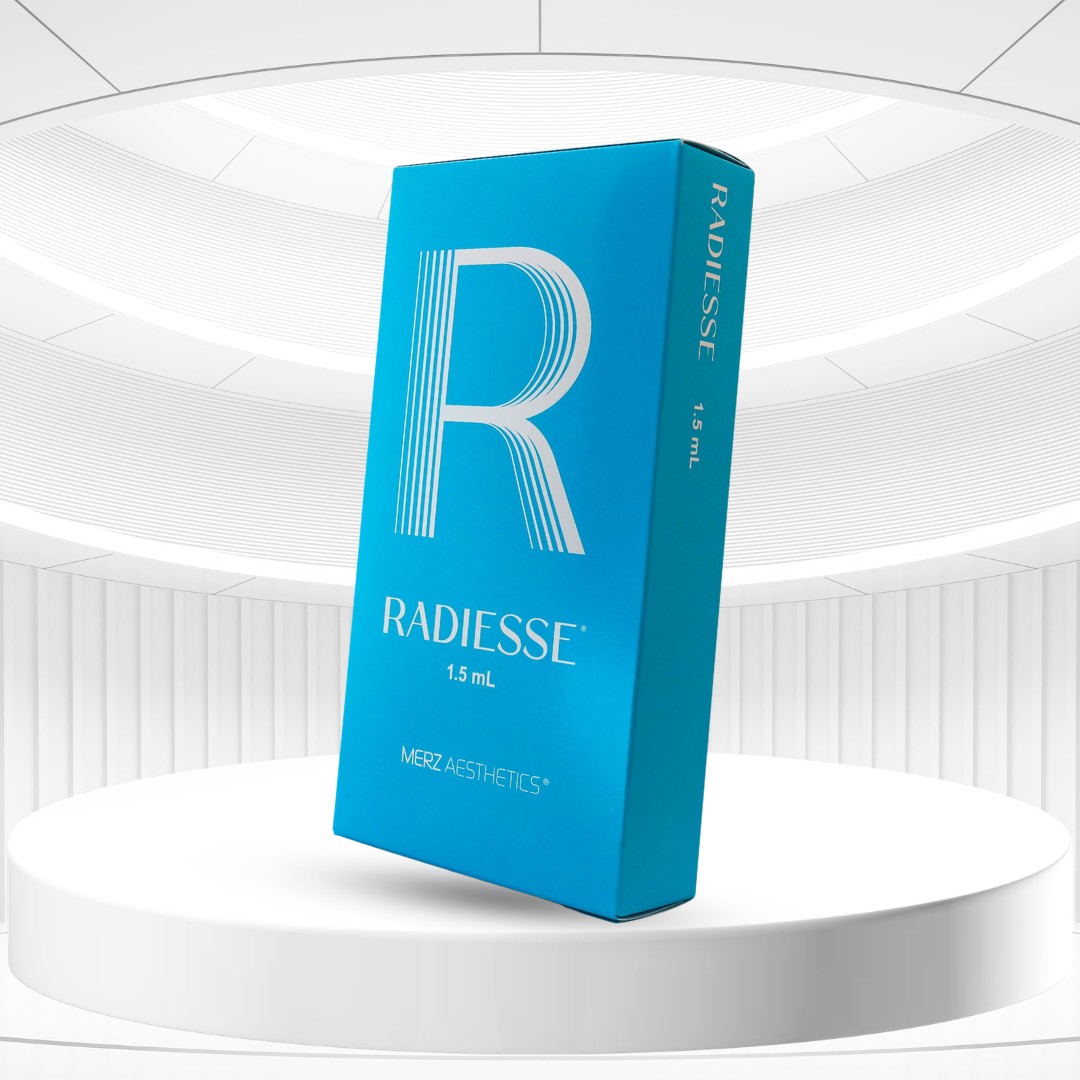
- Radiesse consists of Calcium Hydroxylapatite (30% CaHA micro-spheres) suspended in a carboxymethylcellulose gel carrier (70% CMC). The gel provides instant mechanical lift, while the CaHA micro-spheres form a scaffold that stimulates long-term neocollagenesis.
- When injected into target tissue, Radiesse improves structural support, volumizes soft tissue and reinforces extracellular matrix architecture. It is widely used for tissue rejuvenation and laxity correction when hyper-diluted per clinical indication.
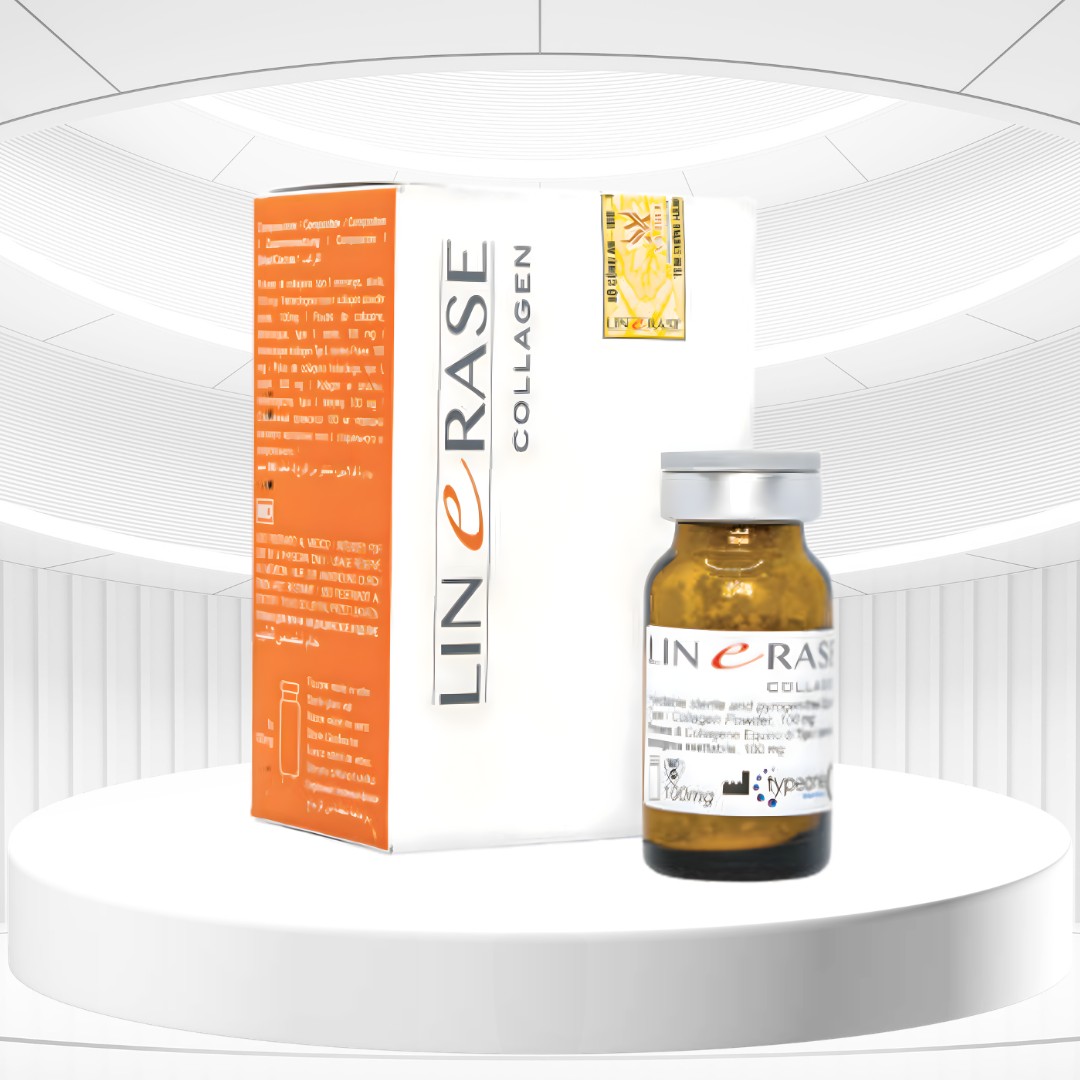
- Linerase contains pure Heterologous Type I Collagen (HTIC). Following dermal injection, it cleaves into bioactive collagen peptides that signal fibroblasts to synthesize new endogenous collagen.
- This cascade restructures the extracellular matrix, boosts elasticity, softens textural irregularities and aids scar tissue repair for firmer, healthier skin.
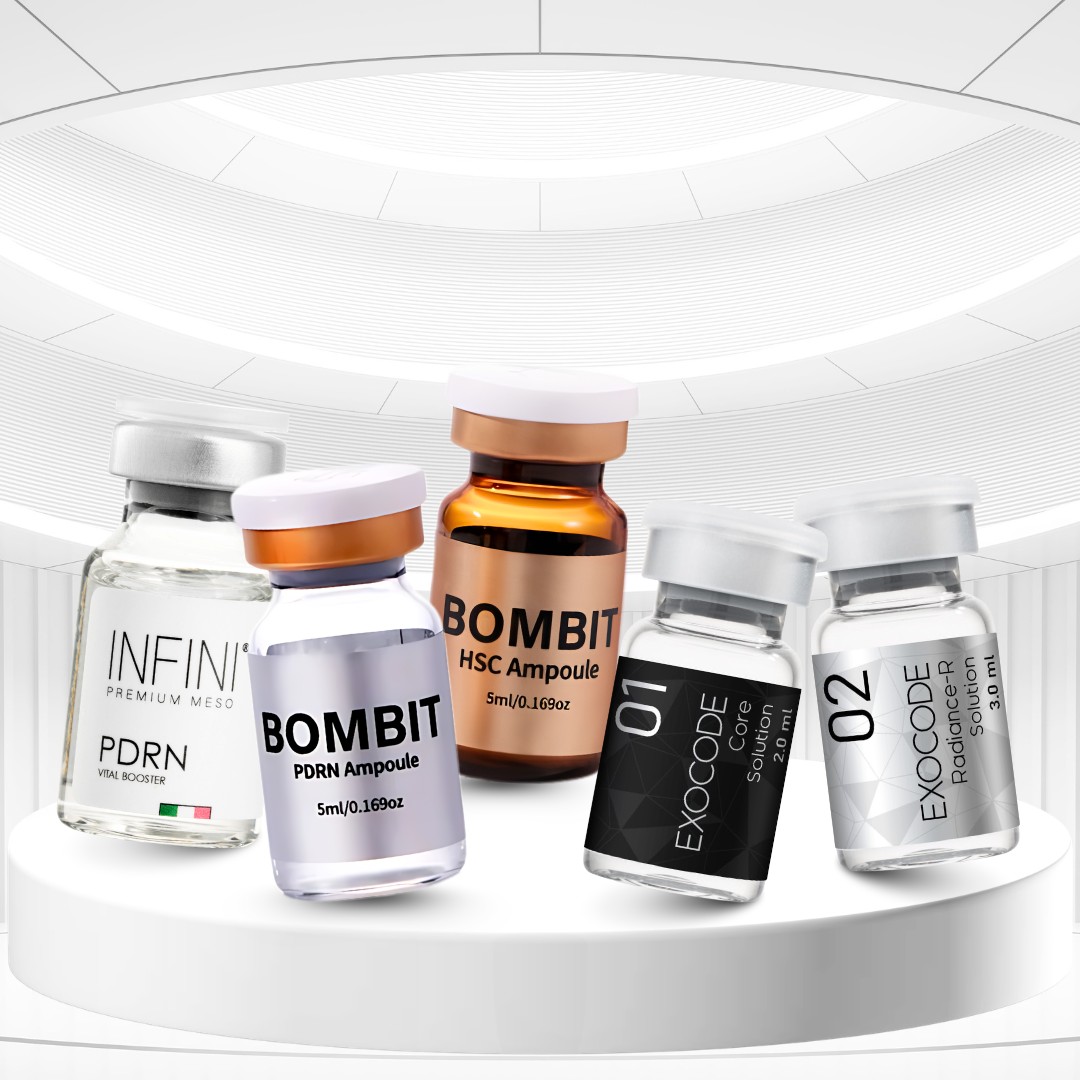
PDRN (Bombit, Infini) & exosomes (Bombit, Exocode)
- PDRN (Polydeoxyribonucleotide): salmon DNA-derived segments that accelerate tissue repair, cell proliferation and neoangiogenesis. PDRN promotes rapid post-procedure recovery following subcision, Morpheus8 or microneedling.
- Exosomes: nanovesicles delivering concentrated bio-signals that modulate inflammation, accelerate re-epithelialization, boost collagen/elastin production and brighten post-inflammatory hyperpigmentation to optimize scar outcomes.
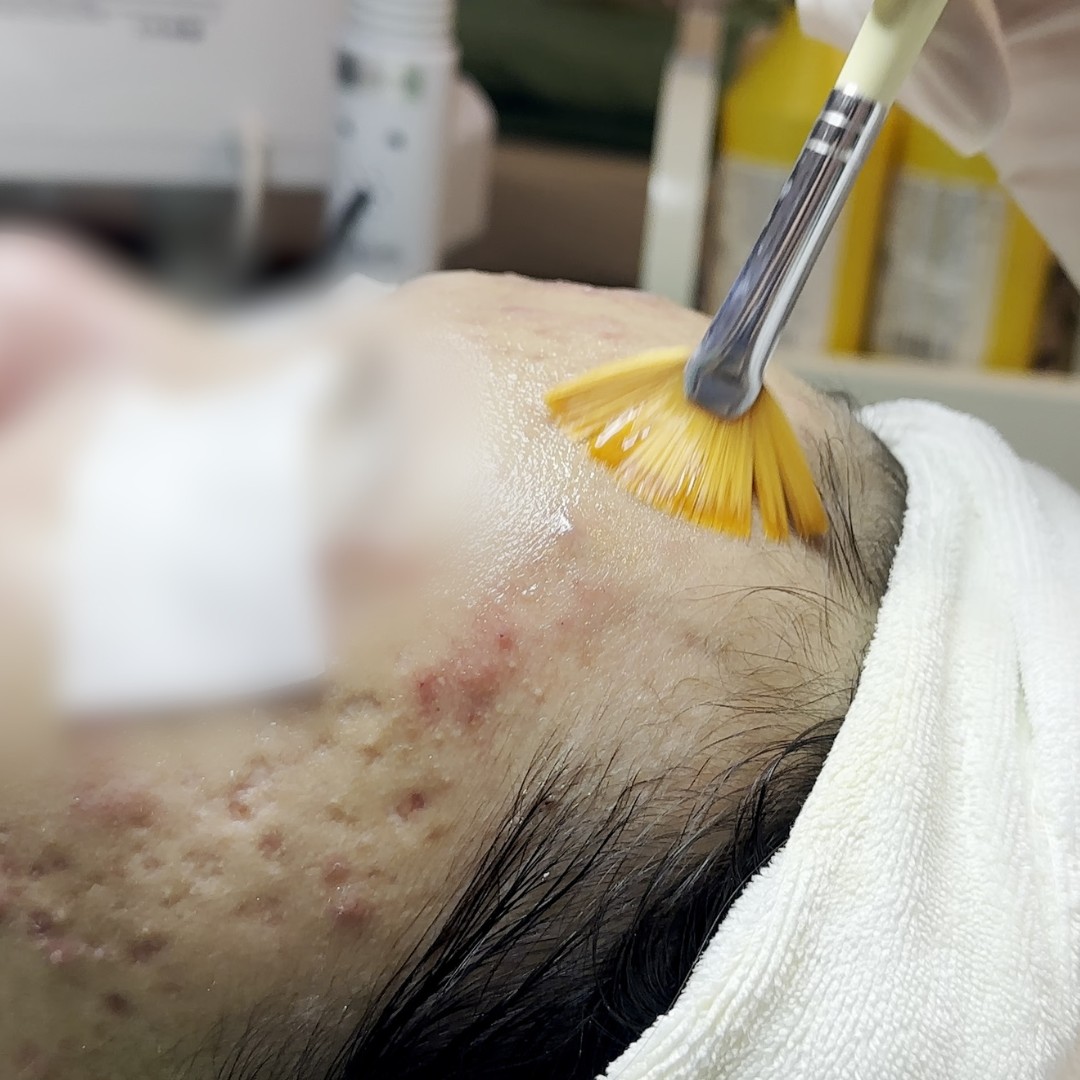
Chemical peeling utilizes specialized medical acids to exfoliate dead keratinocytes, stimulate epidermal renewal and induce superficial dermal remodeling.
- Softens shallow atrophic scars, post-acne erythema/hyperpigmentation and rough texture.
- Brightens tone and improves skin luminosity.
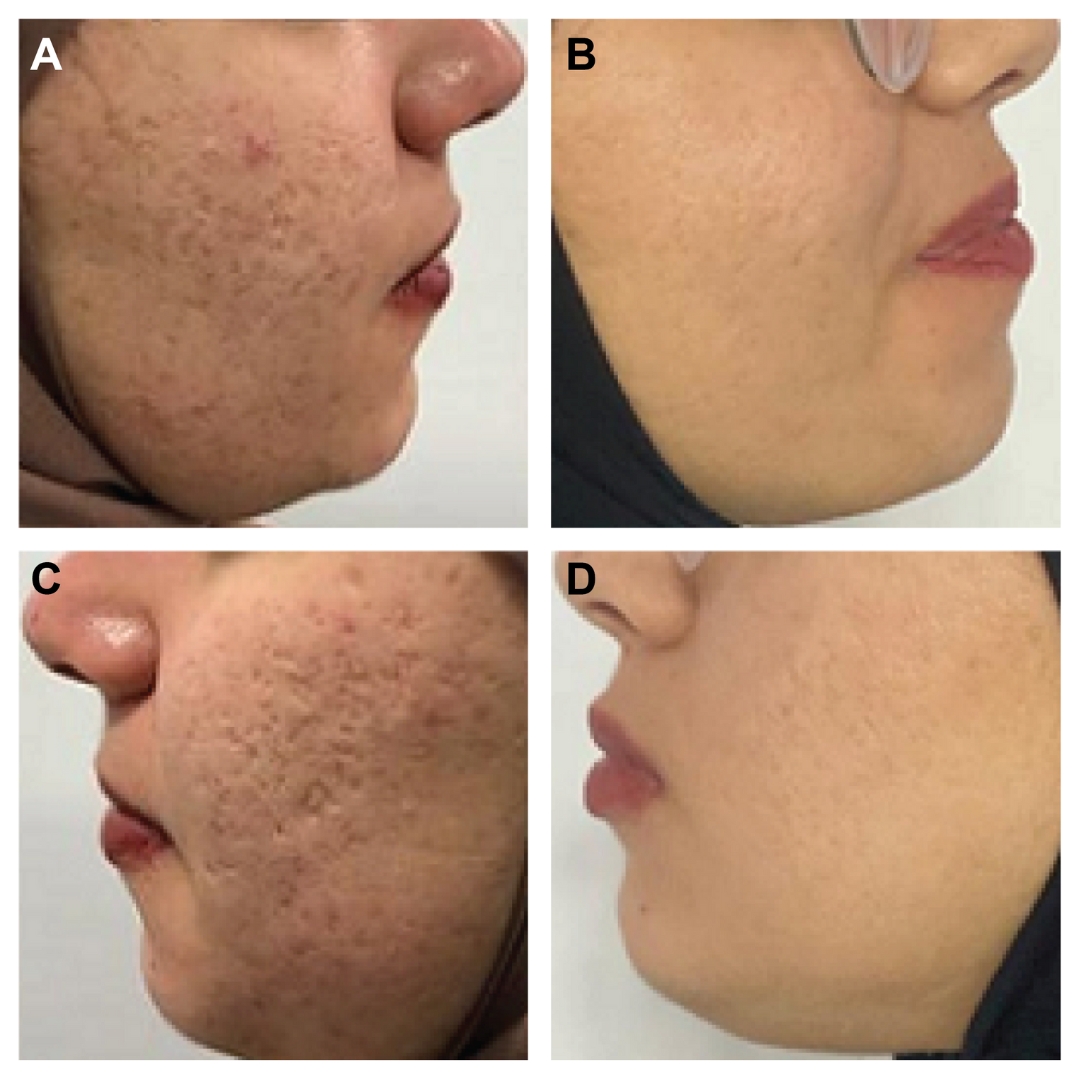
Clinical efficacy: Morpheus8 in scar management

allure.com
Understanding the 3 primary atrophic scar types and their targeted clinical solutions.
vogue.com
Evidence-based medical protocols to effectively smooth atrophic acne scars.

harpersbazaar.com
A comprehensive guide to long-term acne scar revision.


Book an appointment at RejuvLab now for the most effective skin aesthetic consultation!
Clinical protocol for scar treatment at RejuvLab
Step 1
Clinical consultation & assessment

A qualified physician evaluates scar topography, tissue laxity and skin type to design a customized multi-modality treatment plan.
Step 2
Pre-treatment preparation
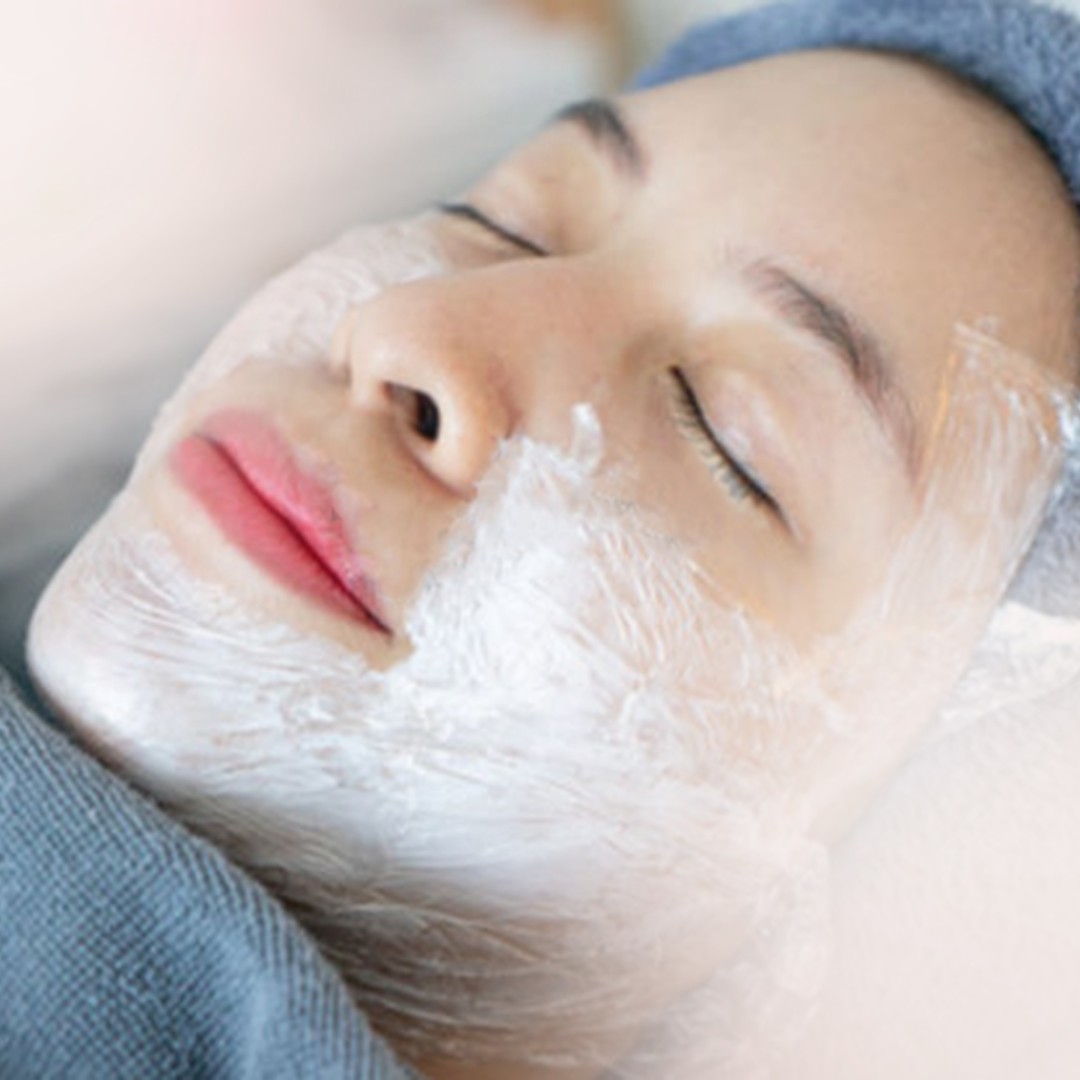
Standardized clinical photographs are taken for tracking. The target area is thoroughly cleansed and topical local anesthetic is applied prior to subcision, Morpheus8, microneedling or mesotherapy procedures.
Step 3
Treatment execution
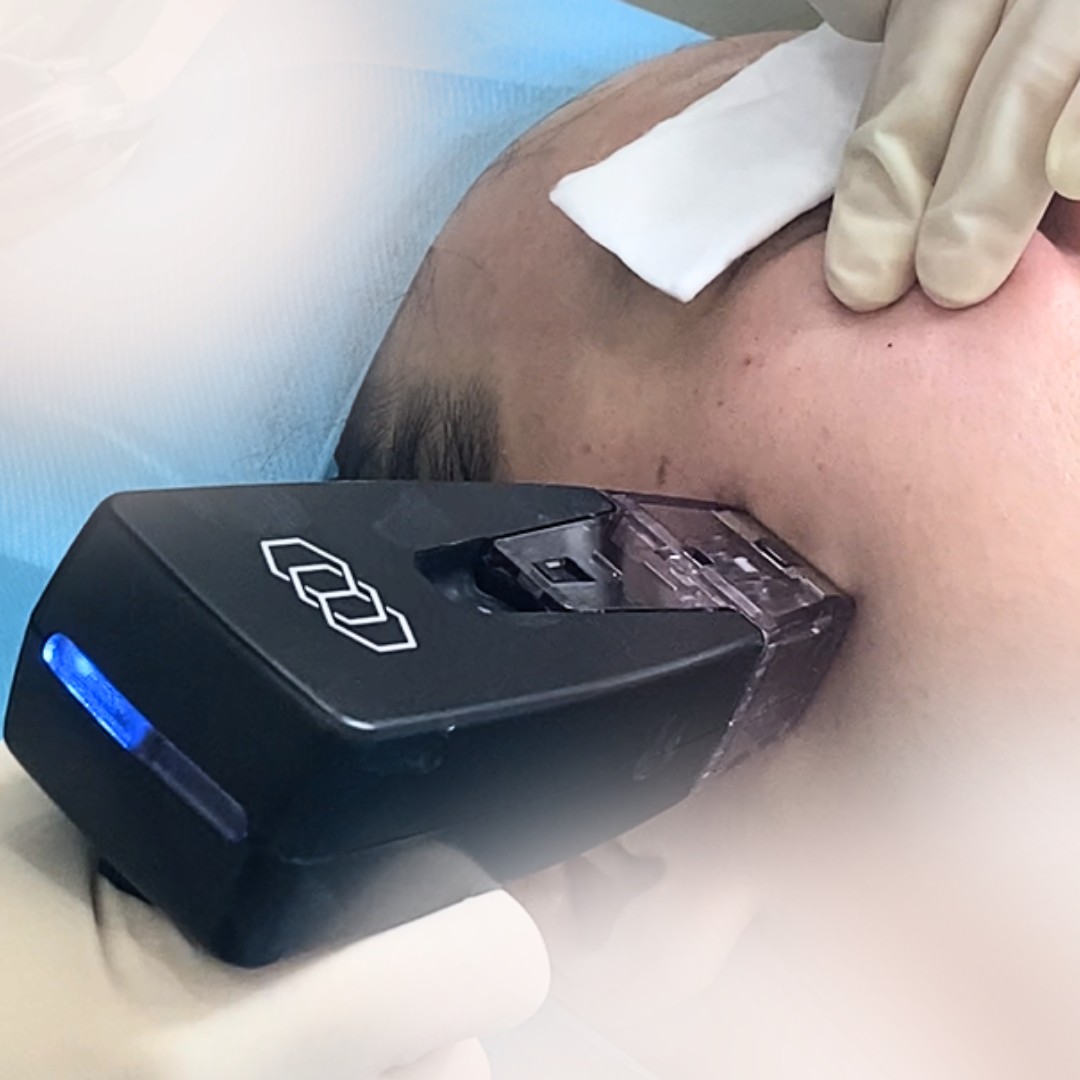
Advanced procedures including subcision, Morpheus8, microneedling, automated fractional needling or mesotherapy are performed directly by certified physicians under sterile conditions. Chemical peels are administered by trained medical technicians under direct physician supervision.
Step 4
Post-treatment care
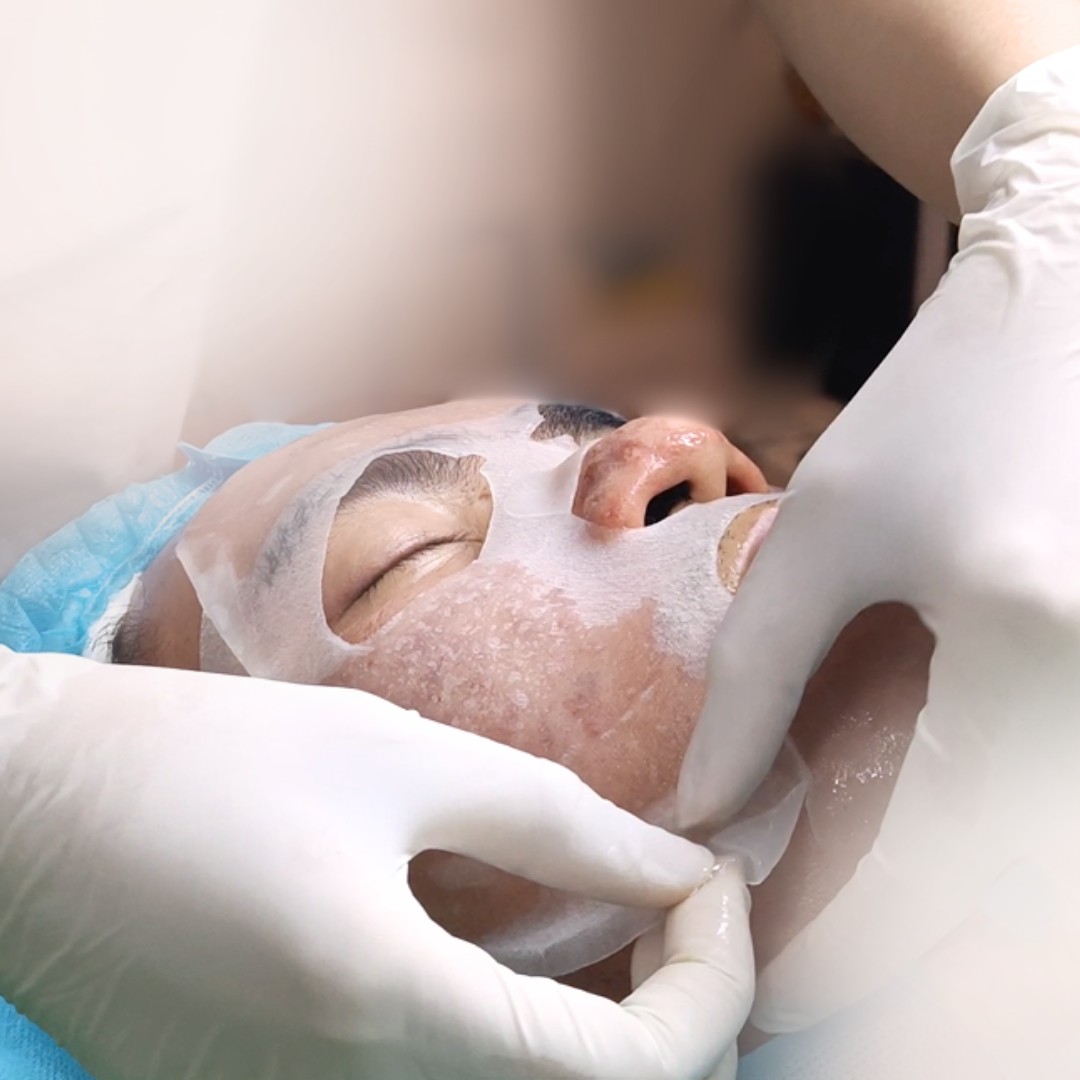
Skin-soothing and barrier-repair formulations are applied to minimize transient reactions. Detailed post-care instructions are provided. Patients can return to daily routines immediately without significant downtime.
Step 5
Follow-up & outcome evaluation
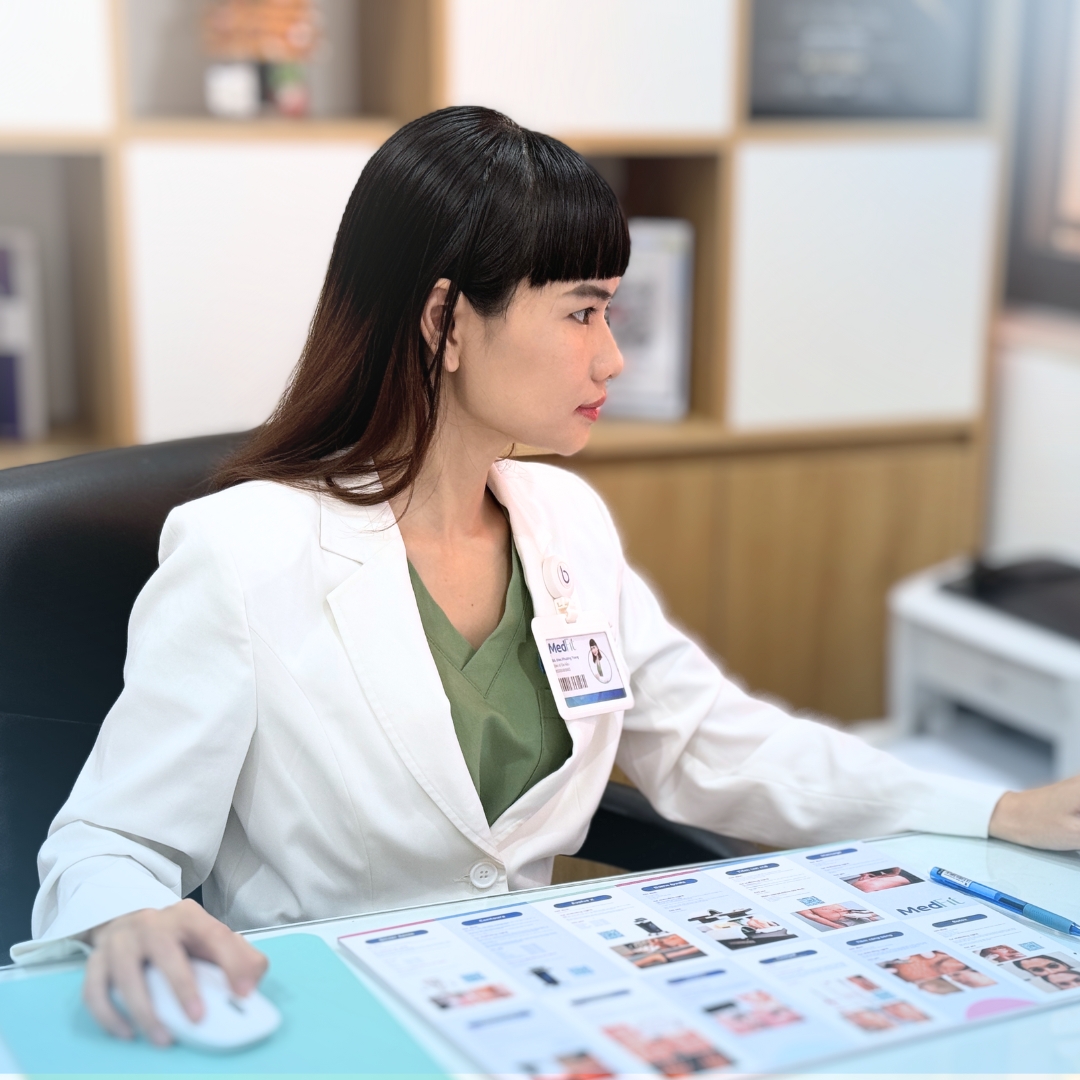
A follow-up consultation is scheduled for the physician to evaluate clinical progress and recommend maintenance or secondary treatment sessions if needed.
Expected results: Before and after scar revision at RejuvLab
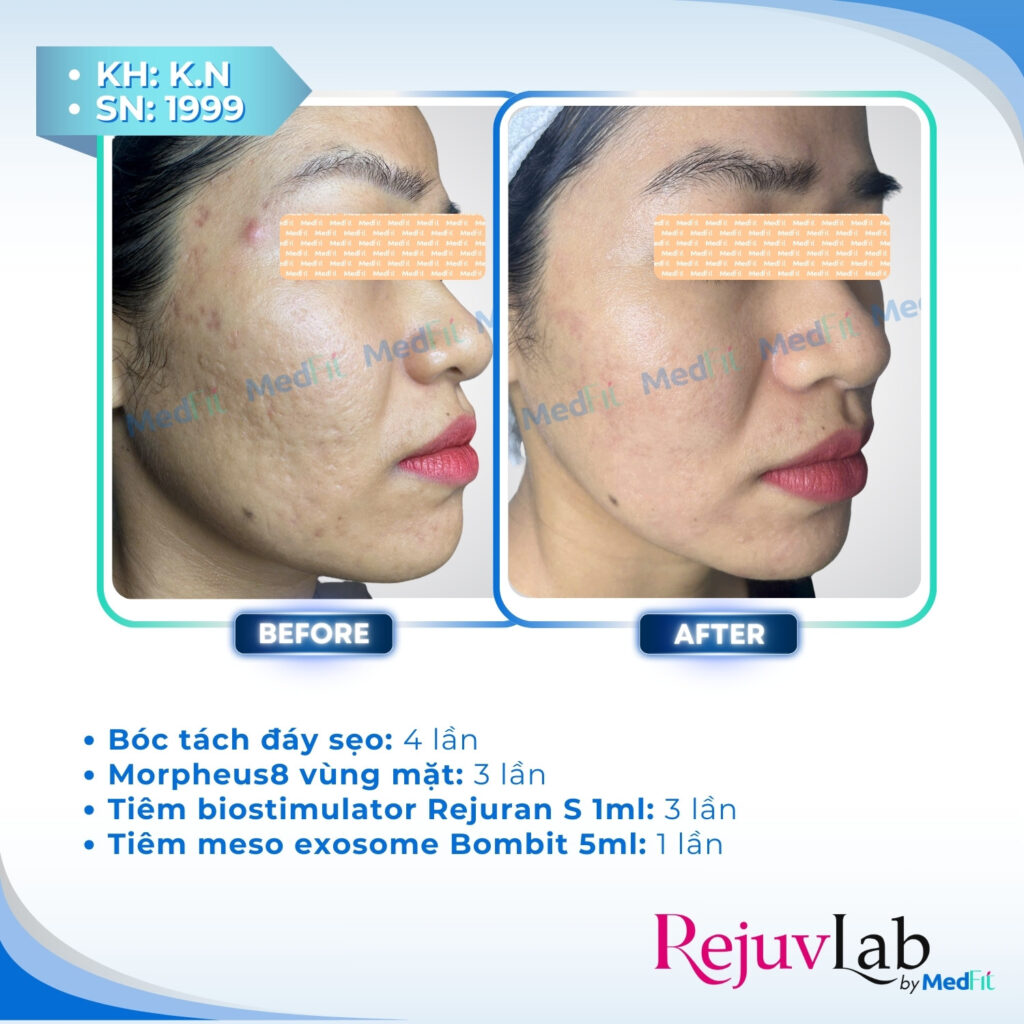
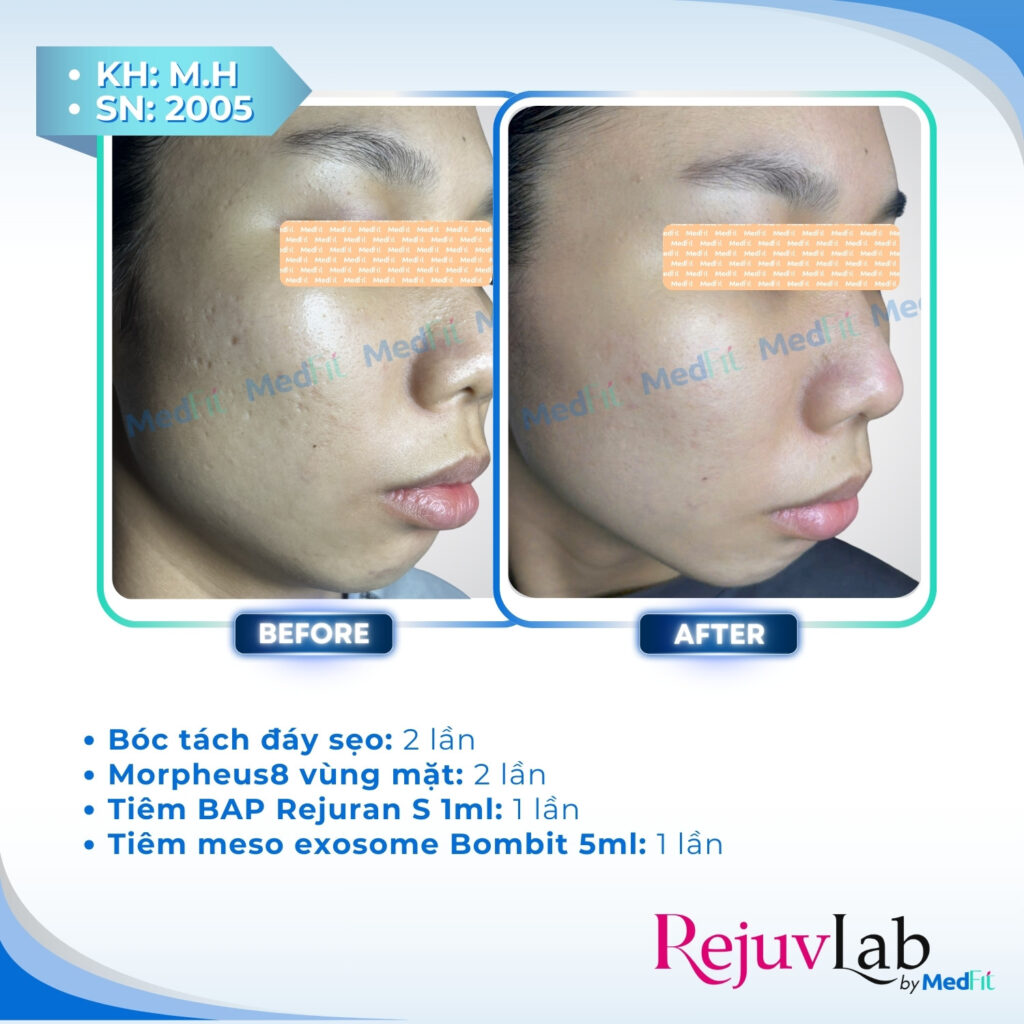
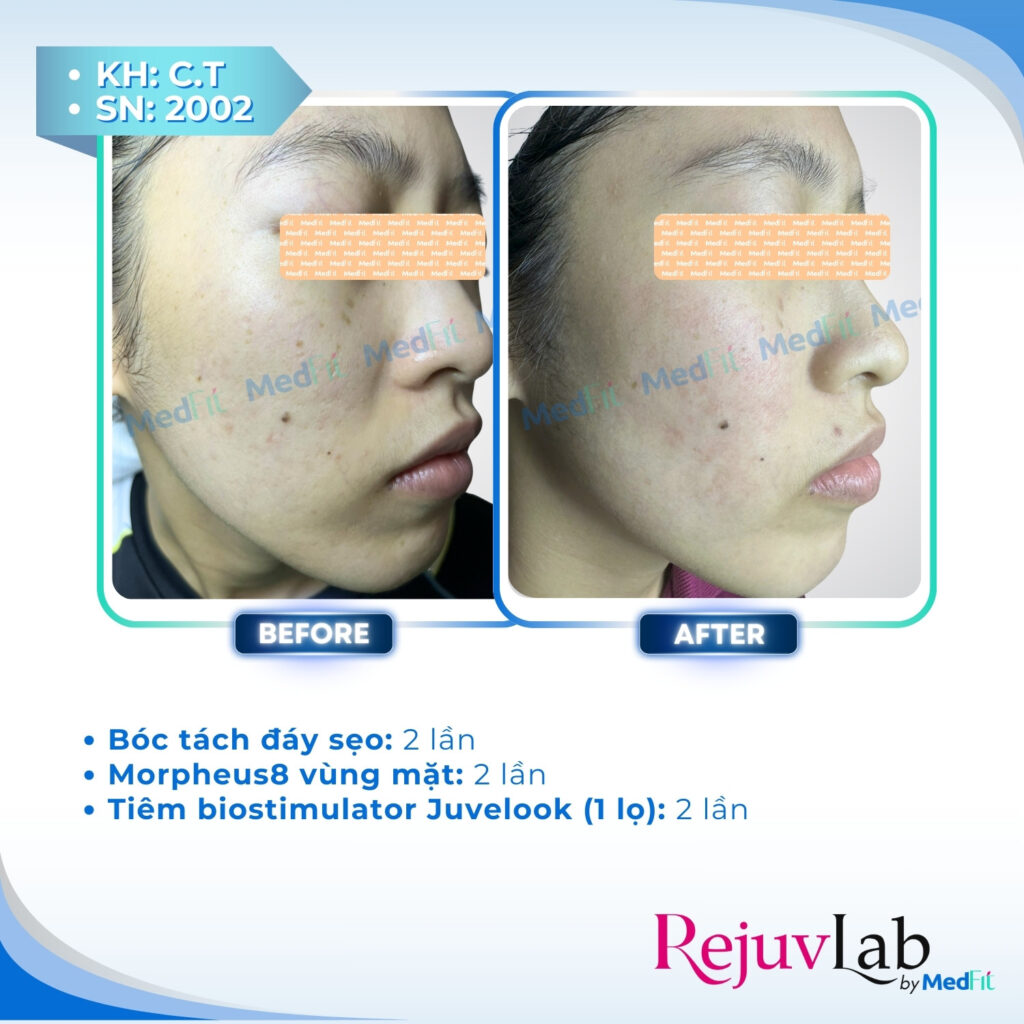
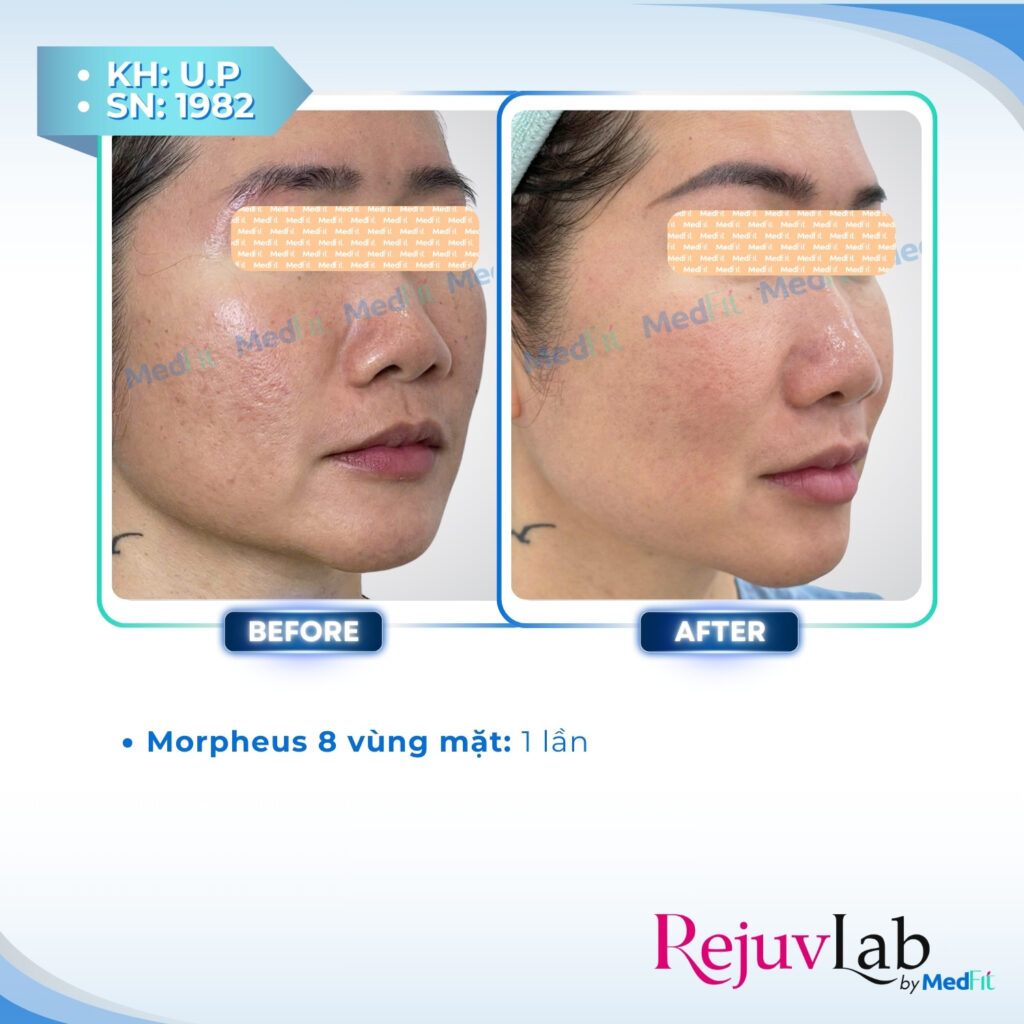
Ca lâm sàng tại Phòng khám MedFit
Why RejuvLab is your trusted choice for atrophic scar treatment?
Highly qualified medical team

Specialized aesthetic physicians with extensive expertise in non-surgical sculpting ensure safe, precise and satisfying outcomes
FDA-cleared advanced technologies
Treatments utilize authentic, US FDA-cleared devices that simultaneously refine body contours and address skin laxity
Certified products & injectables
Clinically proven, authentic products are administered directly under strict medical protocols
Bespoke treatment protocols
Every scar revision strategy is tailored to individual scar patterns, depth and skin type, combining modalities flexibly to maximize client satisfaction and comfort
Minimally invasive procedures
Treatments prioritize client comfort with minimal to no downtime
Luxury & private setting
A modern, pristine and private space designed for optimal client relaxation
Transparent pricing & financing options
Clear upfront costs paired with bespoke payment solutions ensure seamless access to premium aesthetic care
Bảng giá
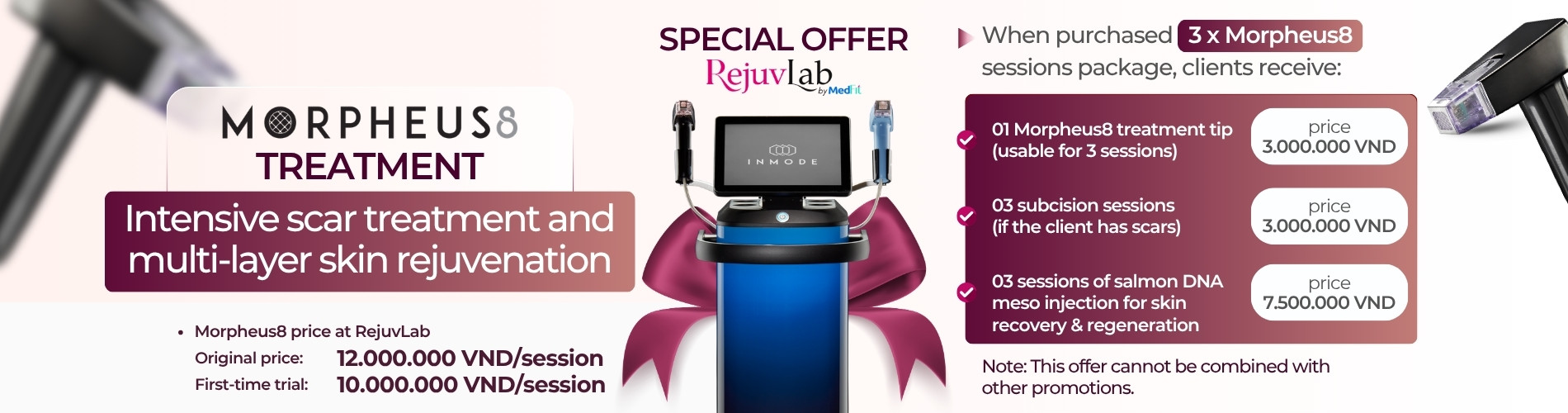
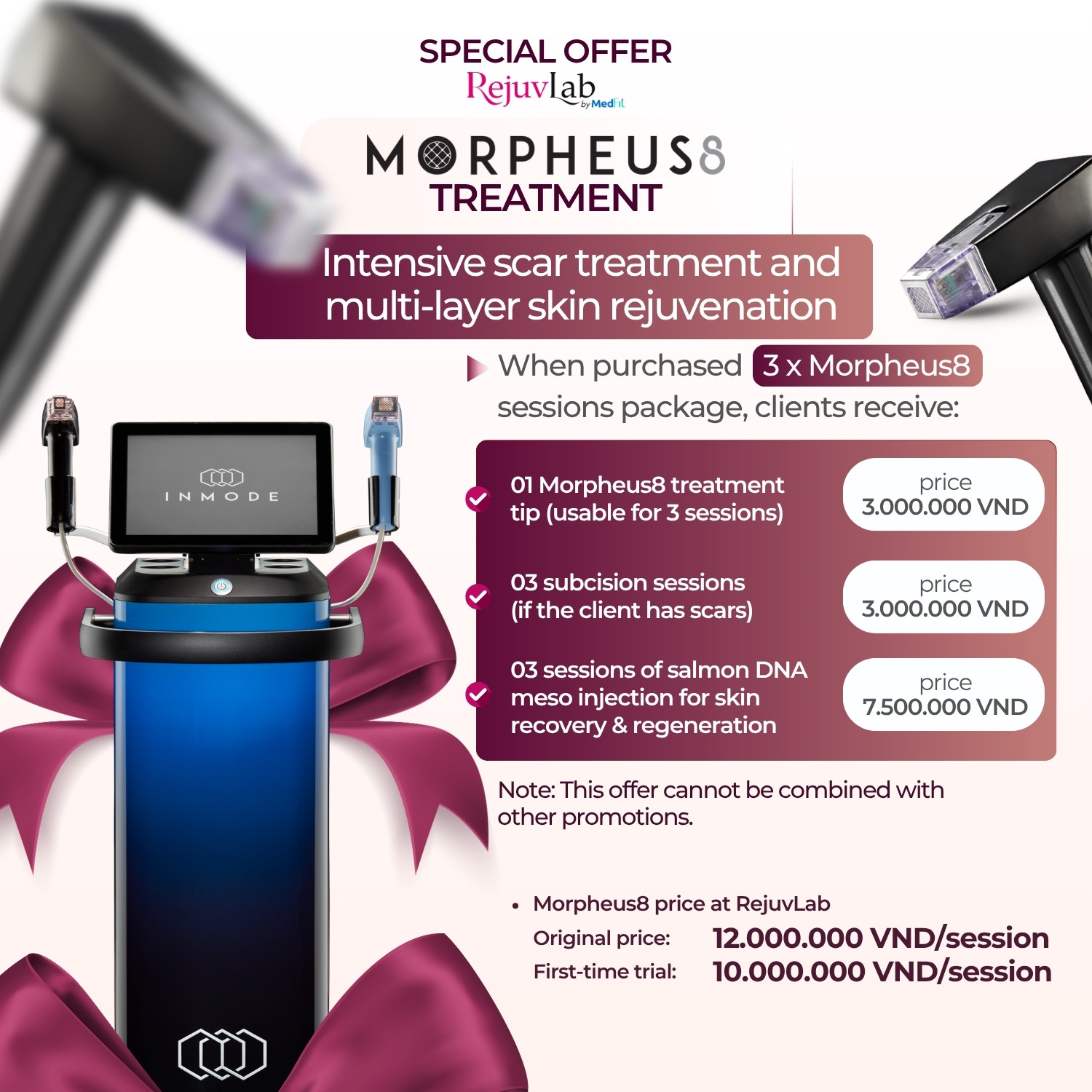
| Morpheus8 face * | session | 12.000.000 VND | 10.000.000 VND |
| Rejuran S biostimulator injection 1ml | session | 4.500.000 VND | 4.000.000 VND |
| Vitaran S biostimulator injection 1ml x 2 | session | 5.000.000 VND | 4.000.000 VND |
| Vitaran S biostimulator injection 1ml | session | 2.500.000 VND | 2.000.000 VND |
| Rejuran Healer biostimulator injection 2.7ml x 2 | session | 12.000.000 VND | 11.000.000 VND |
| Rejuran Healer biostimulator injection 2.7ml | session | 6.000.000 VND | 5.500.000 VND |
| Vitaran HP biostimulator injection 1ml x 2 | session | 5.000.000 VND | 4.000.000 VND |
| Vitaran HP biostimulator injection 1ml | session | 2.500.000 VND | 2.000.000 VND |
| Gouri biostimulator injection 1ml | session | 4.500.000 VND | 4.000.000 VND |
| Juvelook biostimulator injection (1 vial) | session | 9.000.000 VND | 8.000.000 VND |
| AestheFill biostimulator injection (1 vial) | session | 11.000.000 VND | 10.000.000 VND |
| Tiêm biostimulator HydroxyFill 1.25ml | session | 12.000.000 VND | 11.000.000 VND |
| Tiêm biostimulator HydroxyFill 1.25ml x 2 | session | 6.500.000 VND | 6.000.000 VND |
| Radiesse biostimulator injection 1.5ml | session | 11.000.000 VND | 10.000.000 VND |
| Linerase hydrolyzed collagen injection | session | 9.000.000 VND | 8.500.000 VND |
| Infini PDRN mesotherapy injection 10ml | session | 4.000.000 VND | 3.500.000 VND |
| Infini PDRN mesotherapy injection 5ml | session | 3.000.000 VND | 2.700.000 VND |
| Bombit PDRN mesotherapy injection 5ml | session | 2.500.000 VND | 1.900.000 VND |
| Bombit exosome mesotherapy injection 5ml | session | 2.500.000 VND | 1.900.000 VND |
| Exocode exosome mesotherapy injection 5ml | session | 2.900.000 VND | 2.500.000 VND |
| Subcision | session | 1.000.000 VND | 1.000.000 VND |
| * Morpheus8 treatment tip | tip | 3.000.000 VND | 3.000.000 VND |
Frequently asked questions
Atrophic scars involve permanent structural loss within the dermis, making complete 100% restoration to unscarred skin biologically challenging. The primary clinical goal is to decrease scar depth, improve texture and homogenize skin contours. The degree of improvement depends on scar severity, skin response and adherence to the prescribed protocol.
The total number of sessions depends on scar depth and the combination protocol used. Scar revision typically requires a multi-session regimen, with sessions spaced several weeks to months apart. Your treating physician will formulate a precise schedule following your clinical evaluation.
Procedures like subcision, Morpheus8 and microneedling can cause mild discomfort, transient erythema, localized edema or minor ecchymosis (bruising) for a few days. Topical anesthesia is applied before procedures and parameters are calibrated to minimize discomfort. Most clients resume daily activities immediately with appropriate post-care support.
Prior to Morpheus8, microneedling, automated needling or biostimulator injectables, discontinue topical retinoids for 3 days. Avoid alcohol for at least 24 hours and refrain from using non-steroidal anti-inflammatory drugs (NSAIDs), aspirin or anticoagulants for 10 days prior (if health permits) to minimize bruising risks.
Immediately after clinical procedures, physicians apply cooling recovery masks or cryotherapy to reduce redness. Clients should apply mild, non-irritating skincare, recovery creams, moisturizers and rigorous broad-spectrum sunscreen for 5 to 10 days before resuming active skincare routines. Treated areas should be protected from physical friction and excessive heat exposure.

